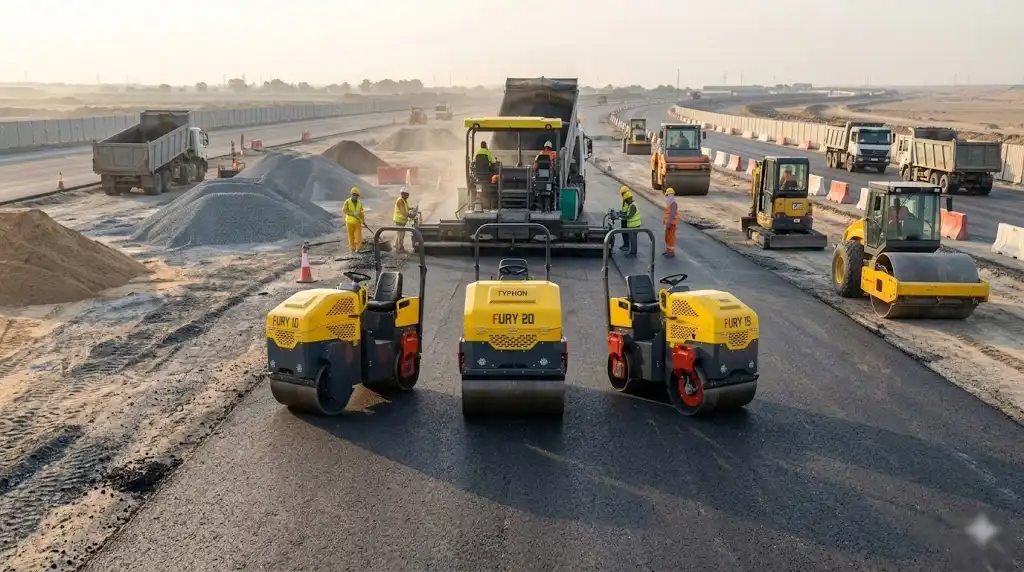
Machine weight decides whether your compaction holds up or fails early. You can run the right passes and follow the right pattern, but if the roller is too light for the material, you’ll leave air voids and weak spots that show up as ruts, cracks, and callbacks. If it’s too heavy, you risk crushing aggregate or over-compacting soft layers. Weight is the single spec that ties your entire compaction result together, and it’s the one buyers most often get wrong.
Many people shopping for a roller focus on drum width or horsepower, then treat weight as an afterthought. That’s a costly habit. The wrong operating weight means more passes, wasted fuel, blown deadlines, and material that never reaches target density. Get the weight right, and a well-matched roller delivers solid compaction in fewer passes than a heavier machine fighting the wrong job.
This guide explains how roller weight directly affects compaction performance and why it should be one of the first specifications you evaluate before choosing a machine. You’ll learn how machine weight influences compaction depth, how static weight and dynamic vibration work together to generate greater compaction force, and how different materials respond to different roller weights. By understanding these factors, you can confidently match the right roller to the job, improve efficiency, reduce operating costs, and achieve long-lasting compaction results with fewer passes.
Machine Weight and Compaction Depth
Compaction depth is how far the roller’s force reaches below the surface to press particles together. Machine weight is the base ingredient that sets that depth. Too little force, and the lower layers of a lift stay loose while only the top looks finished.
As lift thickness increases, the importance of roller weight becomes even greater. Heavier machines, especially when paired with vibration, can transmit compaction energy deeper into the material, ensuring the entire layer reaches the required density. Matching the roller’s weight to the lift thickness reduces the need for extra passes and helps create a stronger, more stable foundation.
Why Weight Controls How Deep You Compact
A roller works by pushing material particles closer together and driving out air and water. The heavier the machine, the more static pressure it puts down through the drum, and the deeper that pressure travels into the lift. On a thick soil layer, a light roller may firm the top inch or two while the material underneath stays weak.
That hidden weakness is where projects fail. The surface passes inspection, traffic rolls on, and months later the under-compacted layer settles, leaving ruts or cracks. A machine matched to the lift thickness reaches full depth on the specified number of passes, so the whole layer hits target density, not just the crust.
Before you choose a machine, know your lift thickness and target density. Match the roller’s operating weight to those numbers, and your compaction reaches all the way down instead of stopping at the surface.
The Trap of Too Much Weight
More weight isn’t automatically better. A roller far heavier than the job needs can crush aggregate, shove soft subgrade sideways instead of down, or over-compact a thin lift into damage rather than density. On sensitive materials, excess force works against you.
There’s a sweet spot. You want enough weight to reach full depth with the specified passes, but not so much that you damage the material or haul dead weight through every pass. The Federal Highway Administration (FHWA) emphasizes matching compaction equipment to lift thickness and material type, because both under- and over-compaction shorten pavement life.
The practical move is honest measurement. Know your lifts, know your material, and choose an operating weight that reaches target density without punishing the layer beneath it.
Static Weight vs. Dynamic Force
Two rollers of the same weight can deliver very different results, because raw weight is only part of the story. Static weight is the dead load pressing down. Dynamic force comes from vibration, which multiplies the effective compaction energy without adding pounds to the machine.
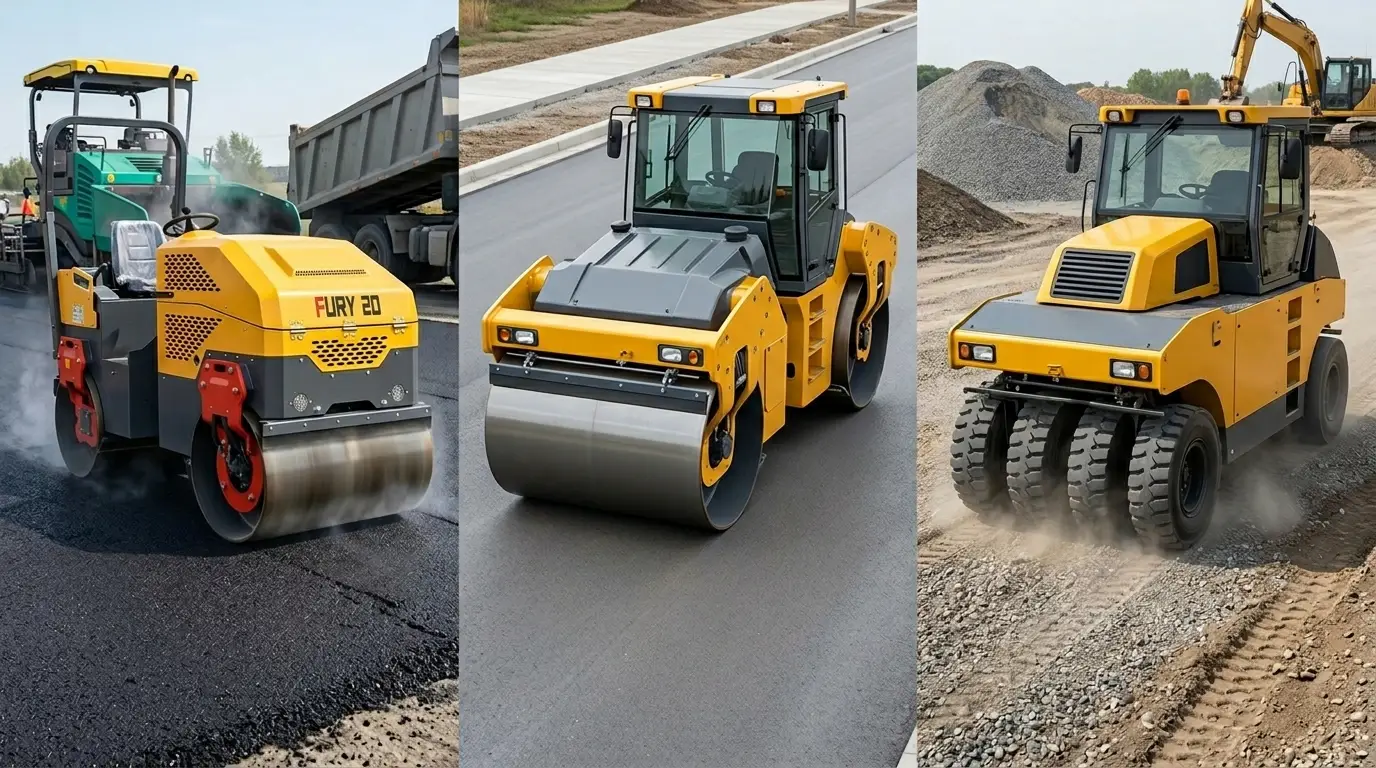
The right balance between static weight and dynamic force depends on the application. Static rollers are ideal for finishing rolling and delicate surfaces where vibration could cause damage, while vibratory rollers are better suited for compacting soil, aggregate, and thick asphalt layers. Understanding how these forces work together helps operators choose a roller that delivers efficient compaction without overworking the material.
Understanding how compaction energy works helps operators choose a roller that delivers efficient compaction without overworking the material. Applying the right amount of force improves surface density while reducing the risk of cracking, displacement, or unnecessary wear. It also minimizes the number of passes required, saving time, fuel, and operating costs on every project.
How Static Compaction Works
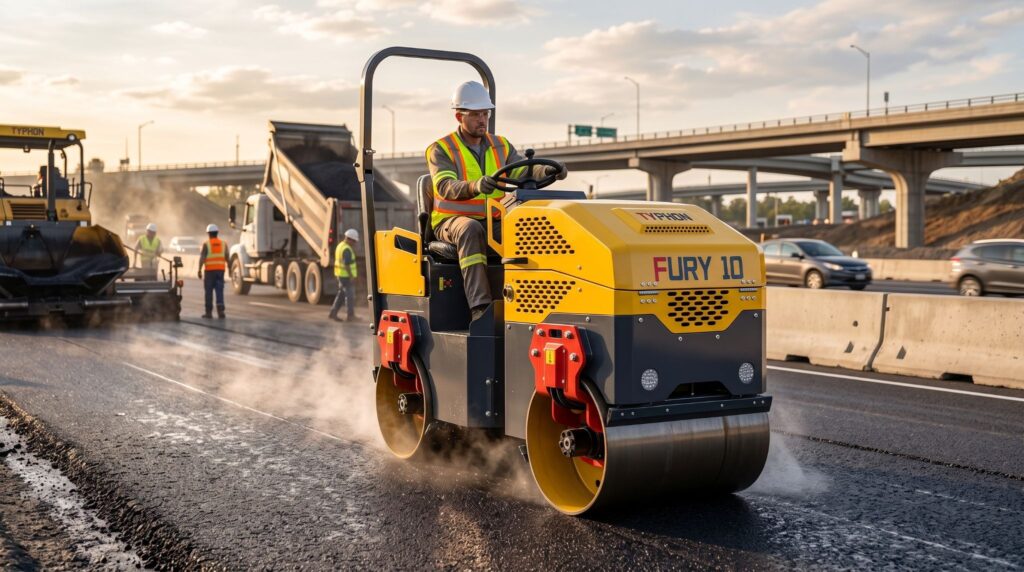
Static rollers rely purely on their own weight to press material down. Smooth-drum static rollers and pneumatic tire rollers fall in this group, and they shine on materials that respond to steady, kneading pressure rather than shaking. Static force is predictable and gentle, which suits certain finishing passes and thin asphalt lifts.
The limit is depth. Static weight alone can only reach so far before you’d need an impractically heavy machine to go deeper. That’s why static rollers are often paired with lighter lifts or used to seal and smooth a surface after the heavy compaction is done.
Match static rollers to jobs that reward steady pressure: finish rolling on asphalt, or compacting materials that would fracture under aggressive vibration. Use them where control matters more than raw depth.
Why Vibratory Rollers Hit Harder
Vibratory rollers add a rotating eccentric weight inside the drum that shakes it thousands of times per minute. That vibration temporarily reduces friction between particles so they settle tightly together, letting a lighter machine reach depths a static roller its size never could. The result is more compaction energy from less operating weight.
This is why a mid-weight vibratory roller often outperforms a much heavier static one on granular soils and thick lifts. Amplitude and frequency let you tune how deep and how hard the force travels, so you can dial the machine to the material instead of relying on dead weight alone.
Choose vibratory force for granular soils, base courses, and thicker lifts where you need depth. Just remember to switch off vibration on thin asphalt or near sensitive structures, where shaking can damage the mat or nearby foundations.
Matching Roller Weight to Material
The right roller weight depends entirely on what you’re compacting. Clay behaves nothing like crushed rock, and fresh asphalt asks for different treatment than a subgrade. Matching weight and force to the material is what turns raw capability into lasting density.
Different materials respond best to different compaction forces. Cohesive soils such as clay and silt usually require heavier rollers with kneading action to remove trapped air and increase density. Granular materials like sand and crushed stone compact more effectively through vibration, allowing lighter vibratory rollers to achieve excellent results without excessive weight.
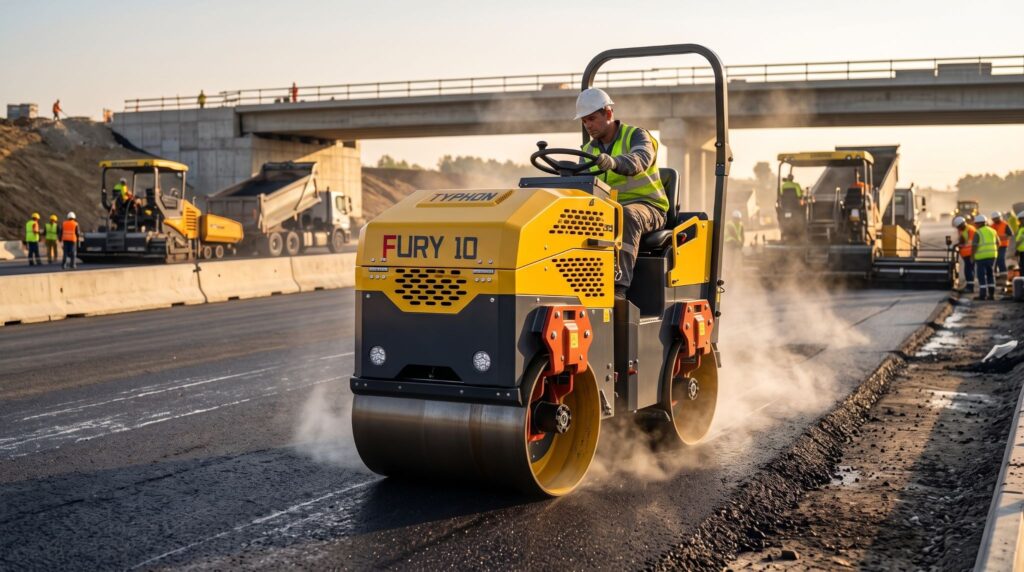
Asphalt also demands careful weight selection. A roller that is too light may fail to achieve the required density, while one that is too heavy can leave surface marks, create waves, or push the hot mix out of place. Selecting the appropriate roller weight based on the asphalt mix, lift thickness, and temperature helps produce a smooth, durable pavement with long-lasting performance.
Reading Your Soil and Asphalt
Start with the material type. Cohesive soils like clay and silt compact best with padfoot or sheepsfoot drums that knead and punch the material, while granular soils like sand and gravel respond better to smooth-drum vibratory force. Asphalt needs steady weight and careful vibration to avoid cracking the mat.
Weight scales with the demand. A thin residential driveway lift needs a light roller, while a highway base course or deep fill needs serious operating weight and vibratory force to reach density. The U.S. Environmental Protection Agency (EPA) also notes that properly compacted, stable ground reduces erosion and runoff problems down the line, so getting density right pays off beyond the pavement itself.
Write down your material type, lift thickness, and target density. That short list turns guesswork into a clear spec and points you straight to the right roller class.
Fitting the Machine to the Site
Material isn’t the only factor. Job size, access, and surroundings all shape the weight you can practically run. A compact roller suits tight trenches, driveways, and work near buildings, while a full-size single-drum machine fits open roadwork and large earthworks.
Site conditions cap your options as much as the material does. Vibration near existing structures, utilities, or fresh concrete can cause damage, so heavier vibratory machines may be off-limits in confined areas. Confined jobs often reward a lighter, more maneuverable roller over raw force.
Walk the site before you commit. Note the access points, nearby structures, and the scale of the work, then choose a roller weight that hits your density targets while fitting the space you actually work in.
Conclusion
Choosing the correct roller weight is about more than meeting specifications—it affects the quality, efficiency, and longevity of every project you complete. A well-matched machine helps crews work with confidence, achieve consistent results, and avoid the setbacks that come from inadequate or excessive compaction.
Every jobsite presents different conditions, from changing soil types to varying material depths and project scopes. Taking these factors into account before selecting a roller helps ensure the equipment is suited to the work instead of forcing the work to suit the equipment.
When you’re ready to invest in a road roller, look beyond the numbers on the specification sheet and focus on how the machine will perform in your everyday applications. A trusted equipment specialist can help you compare models, evaluate your project requirements, and choose a roller that delivers dependable performance for years to come.