A road roller is used to compact materials like soil, gravel, and asphalt so they can handle weight and stay stable over time. Without proper compaction, even a well-built road can fail early—cracks appear, surfaces become uneven, and repairs become frequent.
At a glance, most rollers look similar. They’re heavy machines with large drums or tires designed to press materials into place. But the way they apply force—whether through weight, vibration, or tire pressure—makes a big difference in how they perform.
That’s why understanding the different types of road rollers is important. It helps you avoid using the wrong machine and getting poor results.
Why Different Types Matter in Real Projects
Construction work rarely involves just one type of material. A typical road project might include compacting soil, laying a gravel base, and finishing with asphalt. Each stage has different requirements.
Soil needs deep compaction to create a stable base. Gravel needs even pressure to lock particles together. Asphalt needs a smooth, sealed finish.
Trying to handle all of this with one type of road roller usually leads to compromises. You might get decent results, but not the best ones. In many cases, using the right roller at the right stage reduces the number of passes, saves fuel, and improves the final surface.
Vibratory Road Rollers: Depth and Efficiency
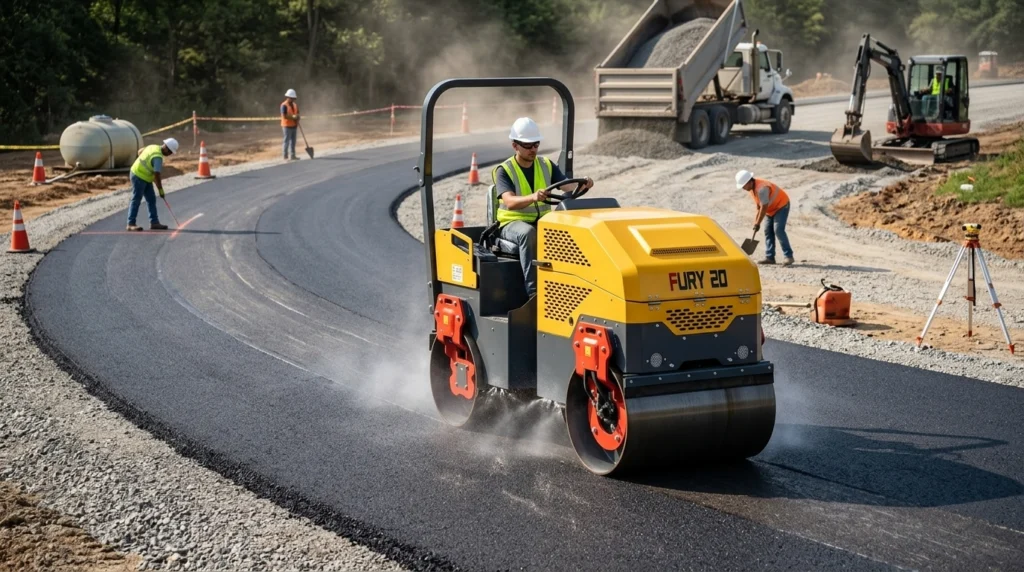
Vibratory rollers are the most commonly used machines on modern job sites. They combine weight with vibration to achieve deeper compaction.
Inside the drum, an eccentric weight rotates to create vibration. This movement helps break down air gaps between particles, allowing them to settle more tightly.
Where they are used:
- Soil compaction
- Gravel and aggregate layers
- Base preparation before asphalt
Why they are effective:
- They compact faster than static rollers
- They require fewer passes
- They work well on loose or granular materials
Most vibratory rollers allow you to adjust the vibration settings. This is important because different materials need different levels of force. For example, loose soil may require strong vibration, while finer materials may need a lighter setting.
One thing to keep in mind is that vibration is not always suitable. On finished asphalt, too much vibration can damage the surface instead of improving it.
Static Road Rollers: Controlled Compaction
Static road rollers rely only on their weight. They don’t use vibration, which makes them simpler and more predictable.
While they are less common today, they still have a role in certain situations.
Where they are used:
- Light compaction work
- Finishing surfaces
- Areas where vibration could cause damage
What makes them useful:
- Simple design and operation
- Lower maintenance needs
- Better control in sensitive areas
Because they don’t use vibration, static rollers usually require more passes to achieve the same level of compaction as vibratory rollers. However, they provide a smoother and more controlled finish, especially when working on delicate surfaces.
They are also useful near structures where vibration might cause problems, such as buildings or underground utilities.
Pneumatic Road Rollers: Sealing and Flexibility
Pneumatic rollers work differently from steel drum rollers. Instead of using a solid drum, they use multiple rubber tires.
These tires create a kneading effect as they roll over the surface. Instead of just pressing down, they apply flexible pressure that helps seal and bond materials together.
Where they are used:
- Asphalt finishing
- Sealing layers
- Projects that require surface flexibility
Key advantages:
- Even pressure distribution
- Adjustable tire pressure
- Better bonding between layers
Pneumatic rollers are especially useful in asphalt work. They help close small air gaps and improve the durability of the surface.
They are often used after a vibratory roller to complete the compaction process. This combination leads to a stronger and smoother final result.
How These Rollers Work Together on Site
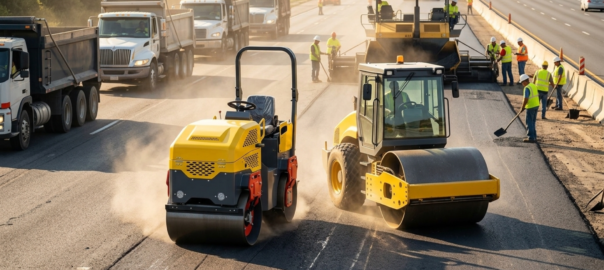
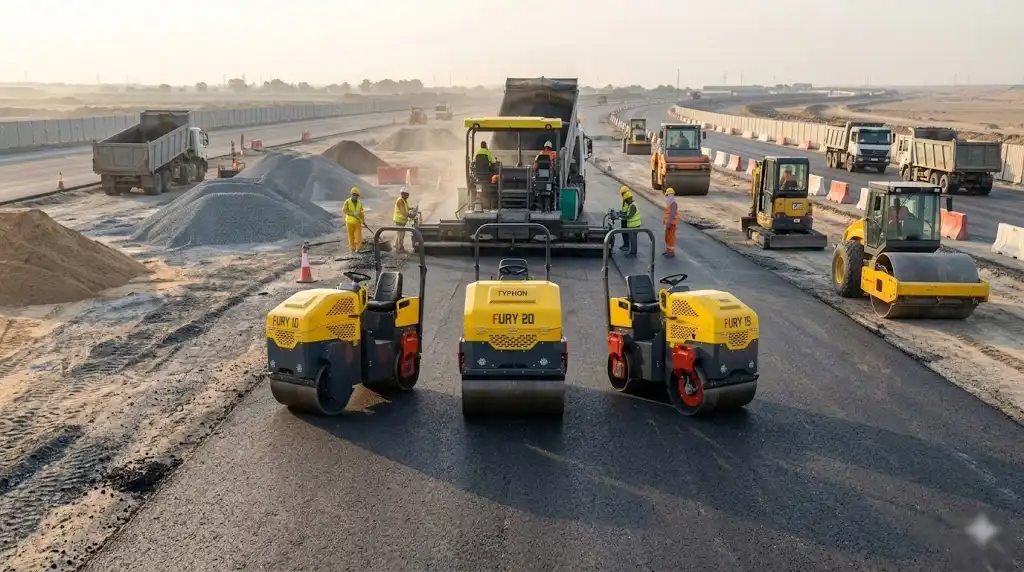
In real construction projects, it’s common to use more than one type of road roller.
A typical process might look like this:
- A vibratory roller compacts the soil or base layer
- Another vibratory or static roller smooths the surface
- A pneumatic roller finishes and seals the asphalt
Each machine plays a specific role. Skipping one stage or using the wrong type can reduce the quality of the final result.
This is why experienced operators and contractors focus on matching the machine to the task, rather than trying to rely on one piece of equipment for everything.
How to Choose the Right Road Roller
Choosing the right road roller becomes easier when you focus on a few key factors:
Material Type
Start by identifying what you are compacting.
- Soil and gravel → vibratory roller
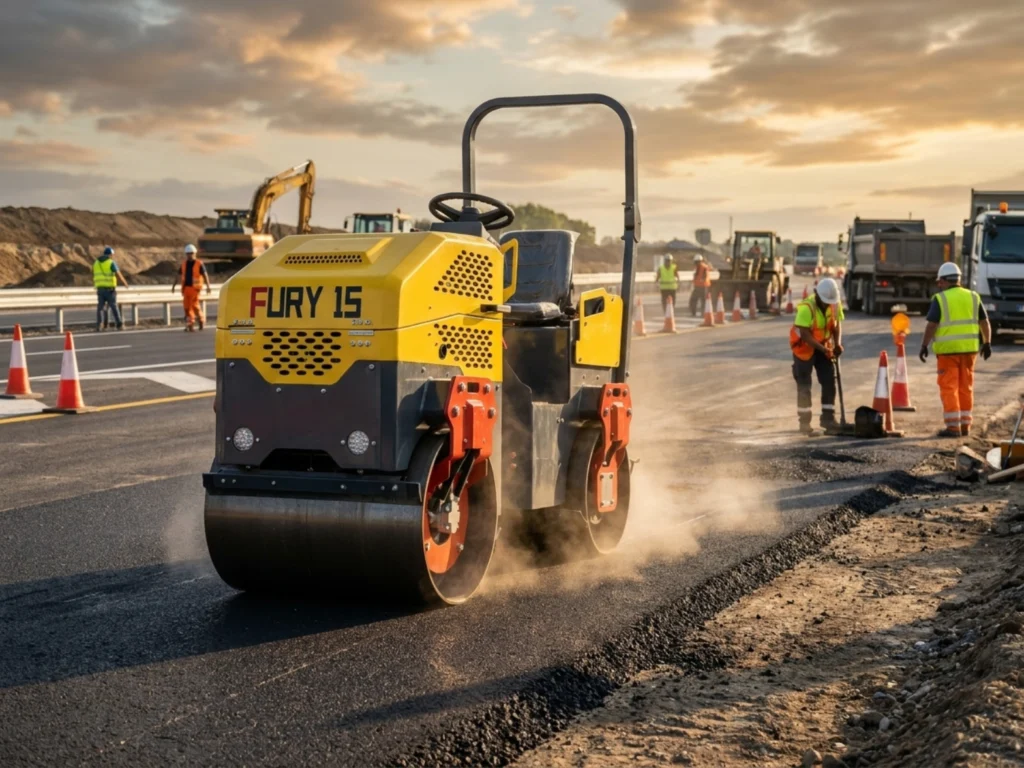
- Asphalt finishing → pneumatic or double drum roller
- Light or sensitive work → static roller
Project Size
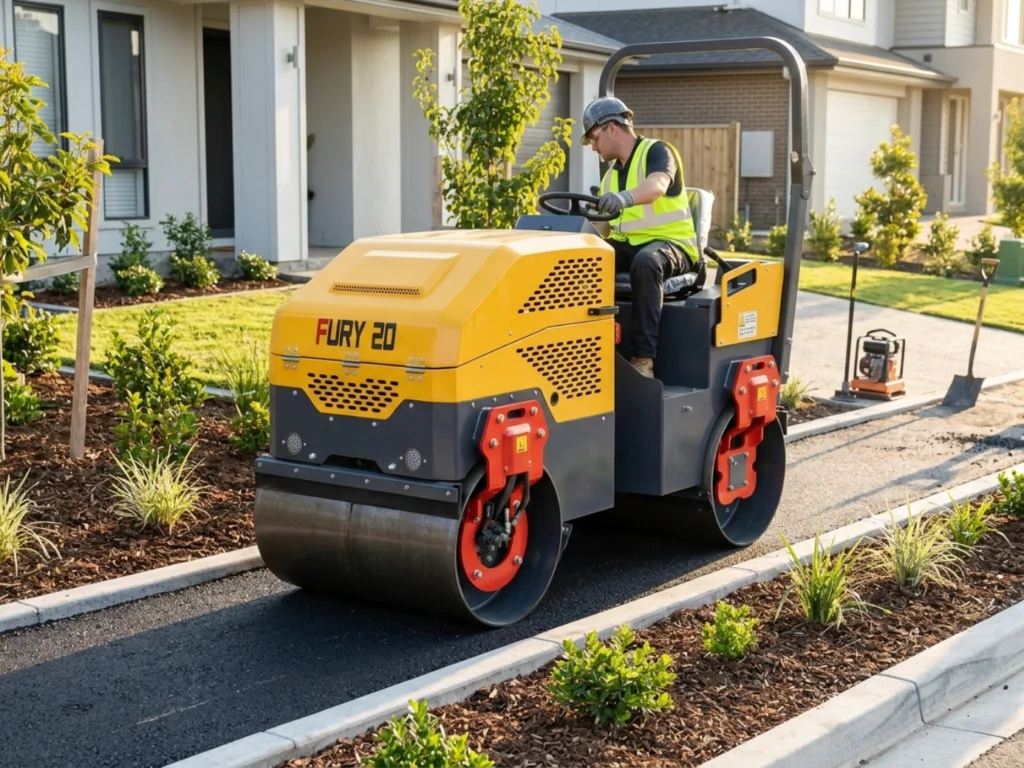
Larger projects benefit from heavier machines with wider drums. Smaller jobs may require compact rollers that are easier to maneuver.
Jobsite Conditions
Tight spaces, slopes, and nearby structures all affect your choice. A large machine may not be practical in a confined area.
Required Finish
If the final surface needs to be smooth and even, you’ll need a roller designed for finishing, not just compaction.
By focusing on these factors, you can narrow down your options quickly and avoid unnecessary costs.
Common Mistakes to Avoid
Choosing based on price alone
Lower-cost machines may seem attractive at first, but they can lead to higher fuel use, more passes, and additional maintenance.
Using the wrong type of roller
Each roller is designed for a specific purpose. Using the wrong one often leads to poor compaction and rework.
Ignoring material differences
Soil, gravel, and asphalt behave differently. Treating them the same way reduces efficiency.
Skipping stages in the process
Proper compaction often requires multiple steps. Skipping one can weaken the entire structure.
Frequently Asked Questions
What is the most commonly used road roller?
Vibratory rollers are the most widely used because they provide strong and efficient compaction for soil and base layers.
When should I use a pneumatic road roller?
Pneumatic rollers are best used for asphalt finishing. They help seal the surface and improve bonding between layers.
Are static road rollers still used today?
Yes, but less often. They are mainly used for finishing work or in areas where vibration is not suitable.
Can one road roller handle all tasks?
In most cases, no. Different stages of a project require different types of rollers to achieve the best results.
Does vibration always improve compaction?
No. While vibration is effective for soil and gravel, too much vibration can damage asphalt surfaces.
How do I know which roller to use first?
It depends on the project stage. Usually, vibratory rollers are used first for base layers, followed by other rollers for finishing.
Final Thoughts
Understanding the different types of road rollers helps you make better decisions on site. Vibratory, static, and pneumatic rollers each serve a specific purpose, and using them correctly improves both efficiency and final quality.
Instead of focusing only on the machine, focus on the job. When the right roller is used at the right time, the results are more consistent and the work becomes easier to manage.