Daily Maintenance Checklist for Road Rollers to Extend Machine Life

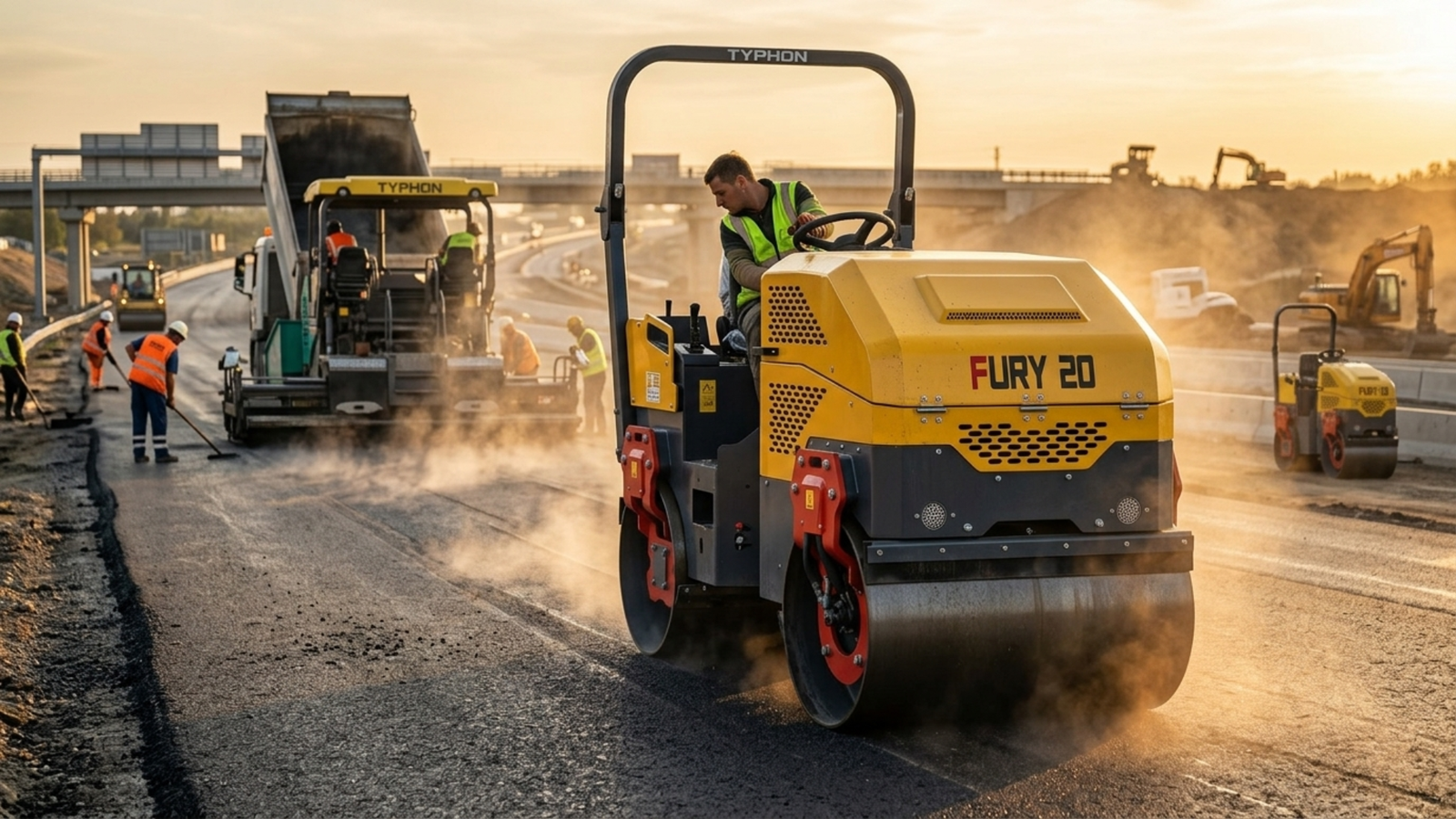
On a busy construction site, a road roller doesn’t get the luxury of downtime. It moves from one pass to another, compacting asphalt or soil under tight deadlines. But the reality is simple—when a roller breaks down, the entire workflow slows or even stops. Crews wait, materials cool, and project costs quietly increase.

What many operators and site managers overlook is how small, daily checks can prevent major mechanical failures. Maintenance is often treated as something to handle “later” or only when something goes wrong. That approach usually leads to expensive repairs and lost productivity.

Understanding and following a daily maintenance routine isn’t just about protecting the machine—it directly impacts efficiency, fuel usage, safety, and long-term cost. A well-maintained road roller performs better, lasts longer, and keeps projects on schedule.

Why Daily Maintenance Matters on real job sites

At the start of a typical workday, machines are expected to perform immediately. There’s no warm-up time for problems. If a hydraulic hose leaks or a drum fails to vibrate properly, compaction quality drops—and that can lead to rework later.

Daily maintenance addresses these small issues before they grow. For example, checking fluid levels ensures the engine and hydraulic systems operate smoothly throughout the day. Inspecting the drum helps maintain consistent compaction, which is critical for road durability.

On real jobsites, the impact is clear. A machine that runs efficiently completes passes faster, uses less fuel, and produces consistent results. Skipping maintenance may save a few minutes in the morning, but it often costs hours—or even days—later.

This is where a structured checklist becomes essential.

Pre-Operation Inspection: Catch Problems Early

Before the engine even starts, a quick walk-around inspection can reveal issues that might otherwise go unnoticed. This step is often underestimated, but it’s one of the most effective ways to prevent unexpected breakdowns.

Operators should look for visible leaks under the machine. Oil, coolant, or hydraulic fluid on the ground is an immediate warning sign. Tires (for pneumatic rollers) or drums (for vibratory rollers) should be checked for damage, cracks, or excessive wear.

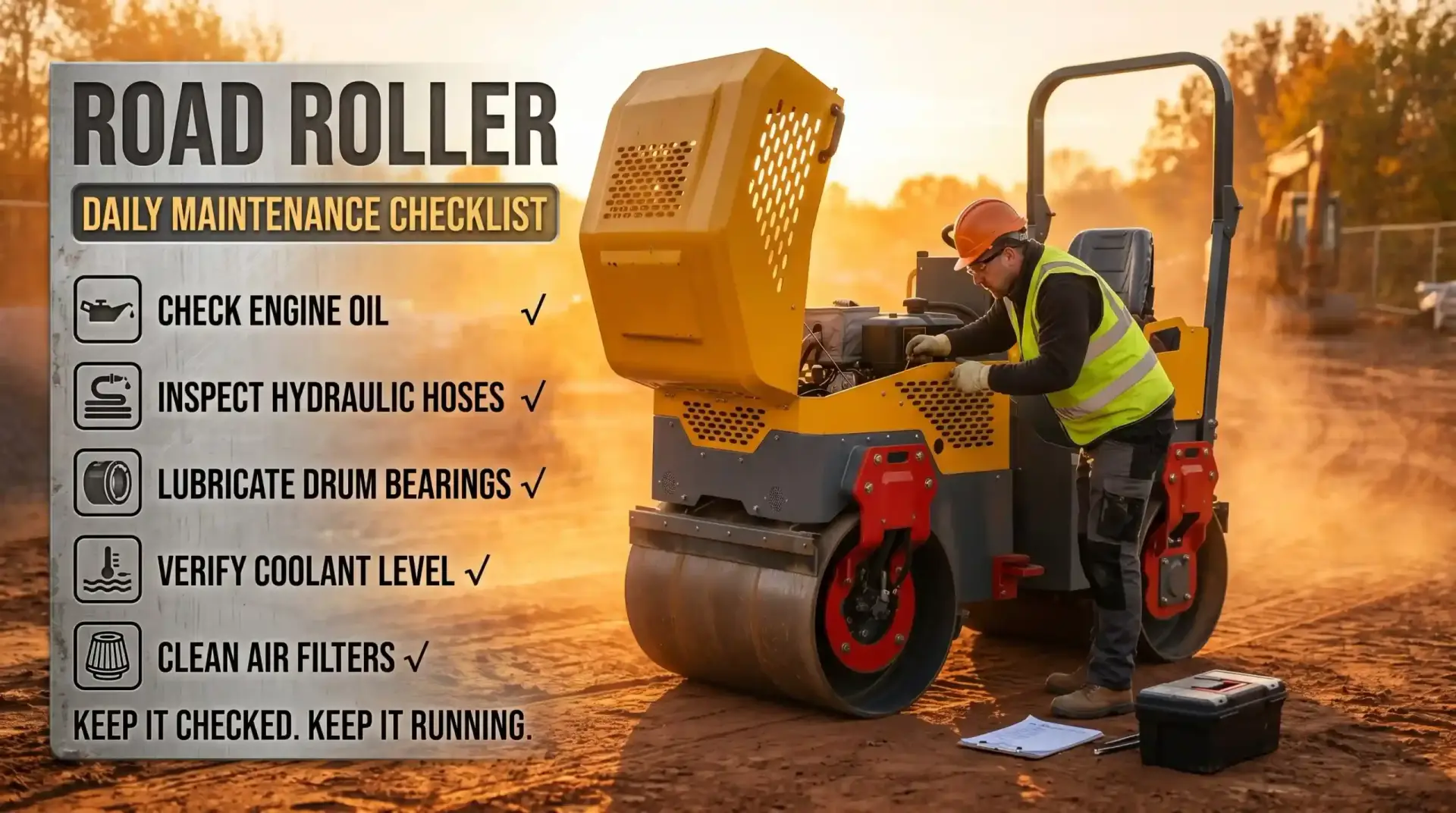
Fluid levels are another critical point. Engine oil, hydraulic fluid, and coolant must all be within recommended ranges. Low levels can lead to overheating or system failure during operation.

In real-world conditions, this inspection only takes a few minutes but can save hours of downtime. It also improves safety by reducing the risk of mechanical failure while the machine is in use.

Engine and Hydraulic System Checks: Keeping Power Consistent

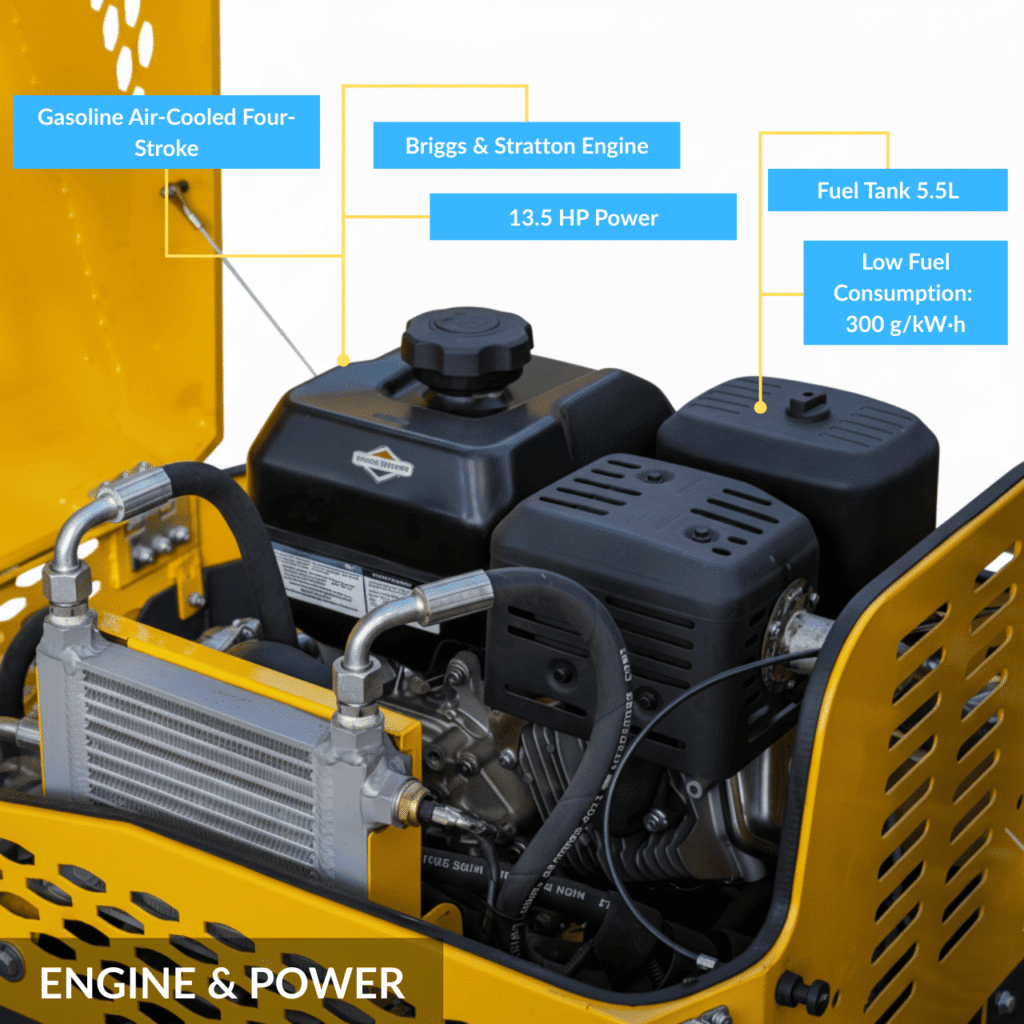
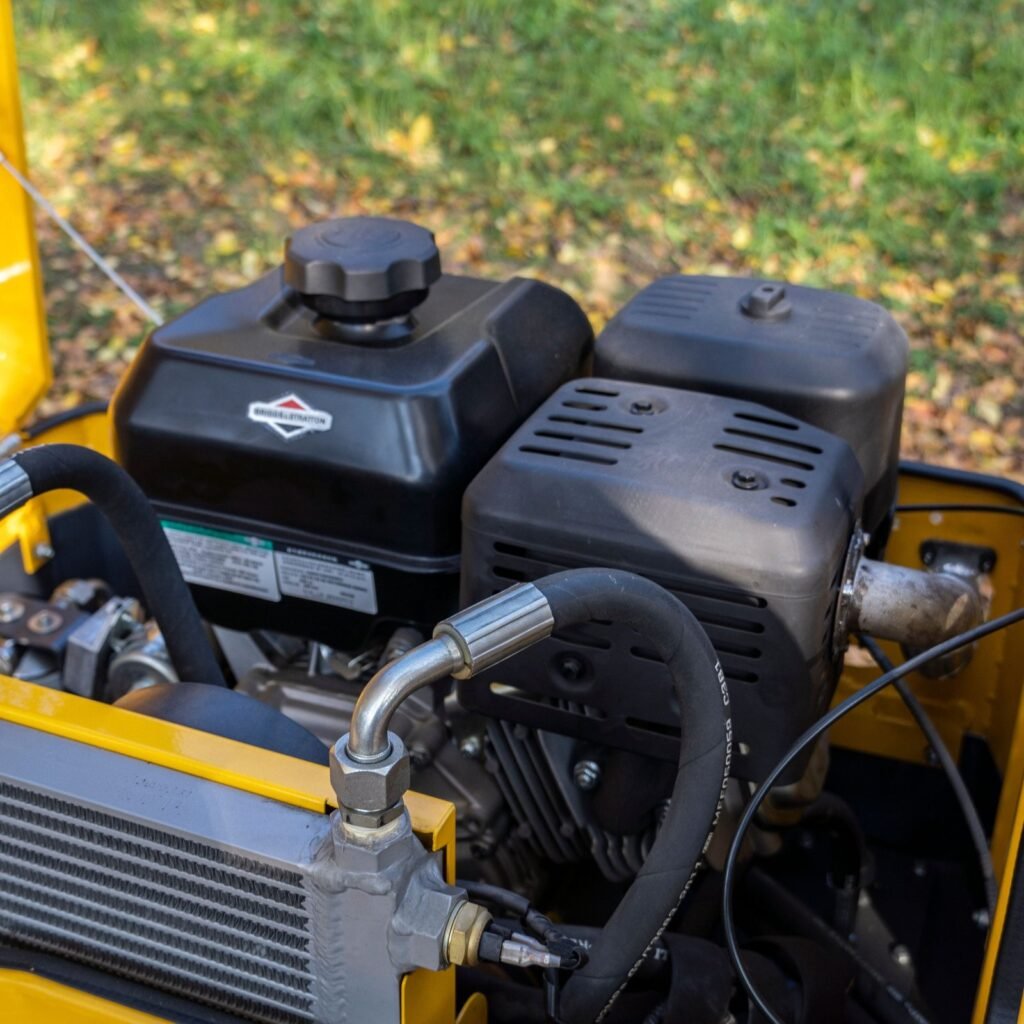
Once the machine is running, attention shifts to how it performs. The engine and hydraulic systems are the core of any road roller, and even minor inefficiencies can affect overall productivity.

Operators should listen for unusual noises—knocking, whining, or inconsistent engine sounds. These often indicate underlying problems. Exhaust smoke is another sign; black or excessive smoke may suggest inefficient combustion or filter issues.

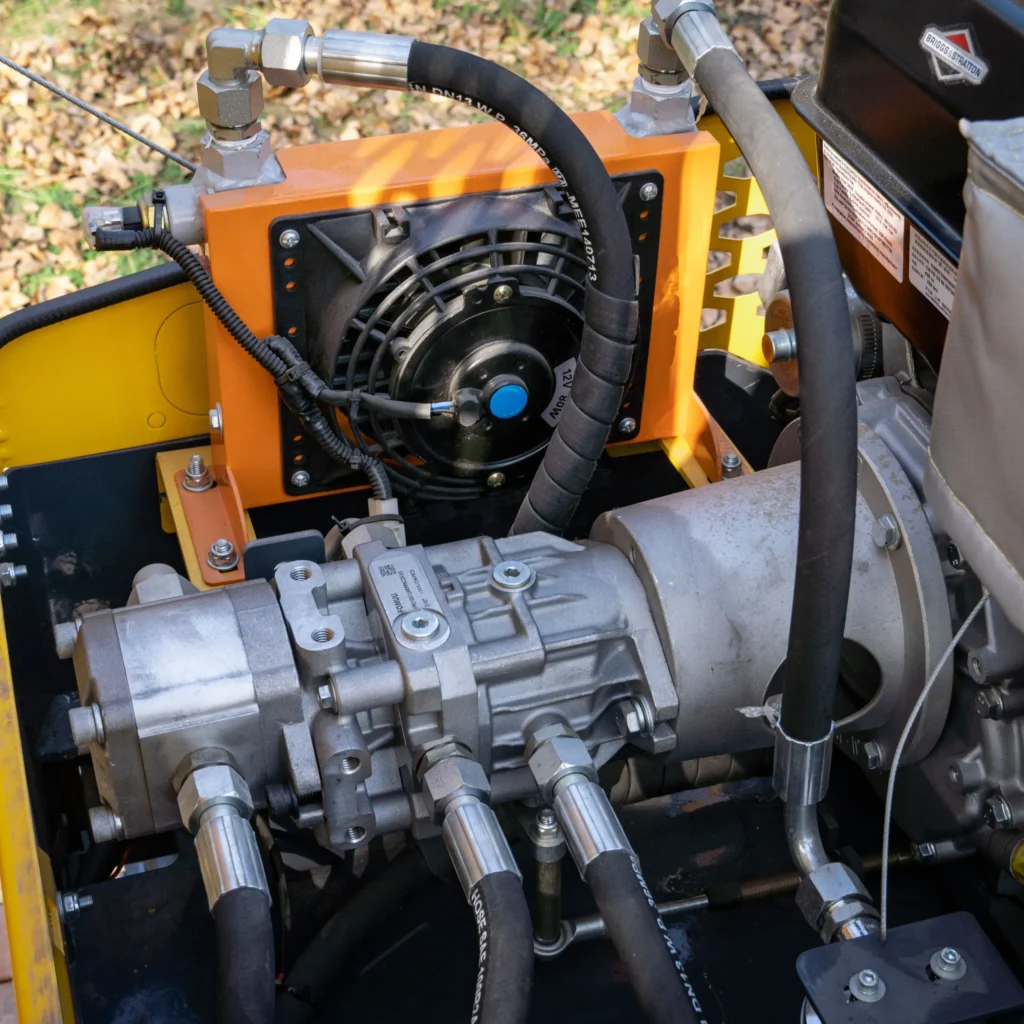
Hydraulic systems should respond smoothly. Jerky movements or delayed responses can point to air in the system, low fluid levels, or worn components.

On a real jobsite, these issues don’t just affect the machine—they affect the quality of compaction. Uneven pressure or inconsistent vibration leads to weak surfaces that may fail later.

By catching these signs early, operators can avoid costly repairs and ensure consistent performance throughout the day.
Drum and Vibration System Maintenance: Ensuring Proper Compaction

The drum is where the actual work happens. If it isn’t functioning correctly, the entire purpose of the machine is compromised.

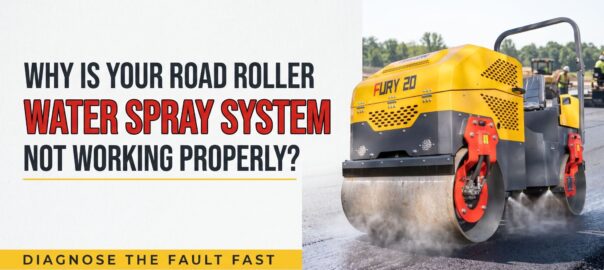
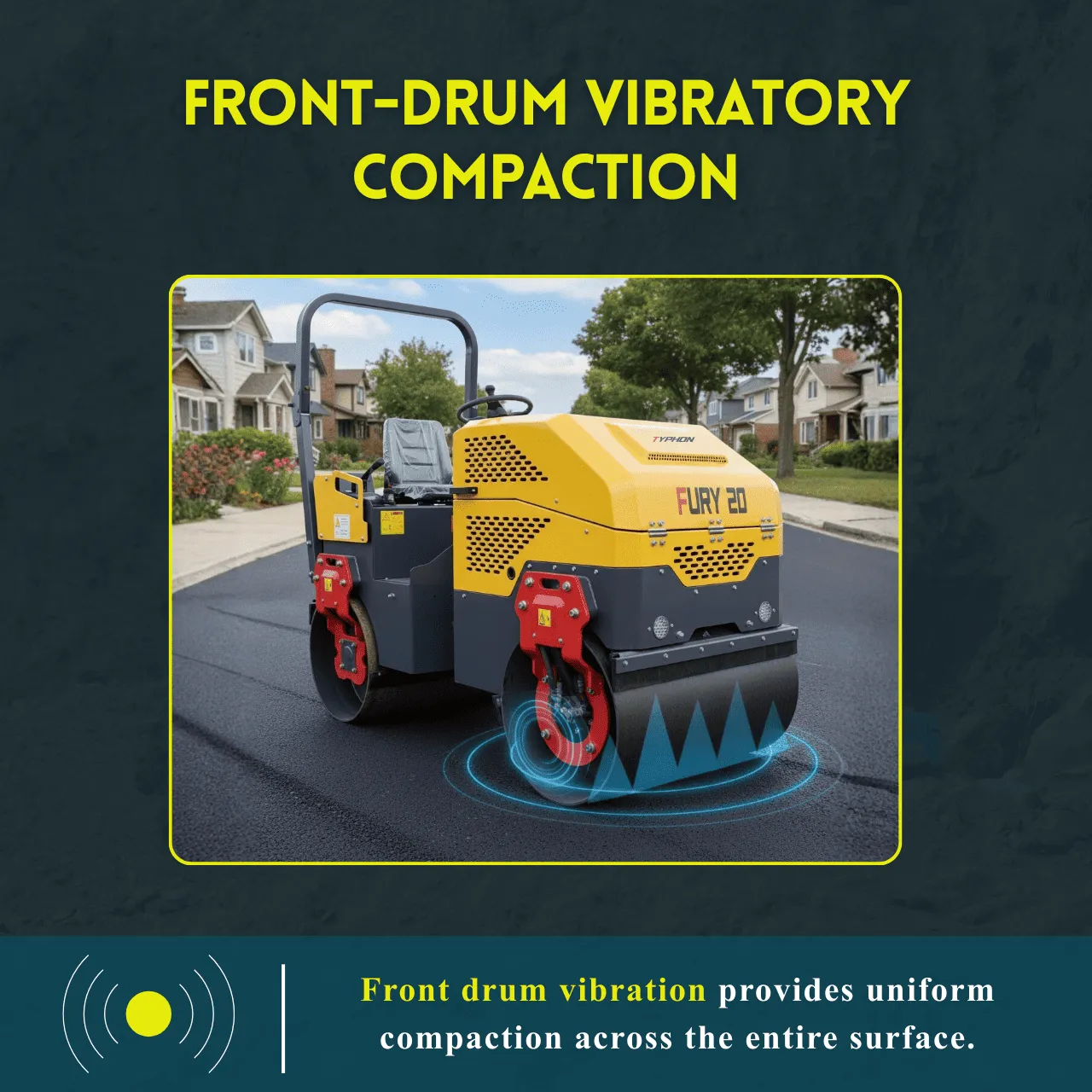
Daily cleaning of the drum is essential, especially when working with asphalt. Material buildup can affect compaction quality and lead to uneven surfaces. Water spray systems should also be checked to ensure they’re working properly and preventing asphalt from sticking.

Vibration systems must be inspected for consistent operation. Weak or irregular vibration reduces compaction efficiency, meaning more passes are needed to achieve the same result.

In practical terms, a poorly maintained drum increases fuel consumption, operator fatigue, and project time. Keeping this component in good condition directly improves jobsite productivity.

Lubrication and Moving Parts: Reducing Wear and Tear

Every moving part on a road roller experiences friction. Without proper lubrication, that friction turns into wear—and eventually failure.

Daily greasing of joints, bearings, and pivot points helps reduce stress on components. It also ensures smoother operation and extends the life of critical parts.

In harsh environments—dust, heat, or heavy loads—this becomes even more important. Lack of lubrication can quickly lead to overheating or component seizure.

From a cost perspective, lubrication is one of the simplest and cheapest maintenance tasks, yet it has one of the biggest impacts on machine longevity.

Cleaning and End-of-Day Checks: Preparing for Tomorrow

At the end of the day, it’s tempting to shut down the machine and leave. But a few extra minutes of cleaning and inspection can make a big difference for the next shift.

Removing dirt, debris, and asphalt buildup prevents long-term damage. It also makes it easier to spot issues during the next day’s inspection.

Operators should also check for any signs of wear or damage that developed during the day. Addressing these issues early prevents them from becoming major problems overnight.

A clean and well-checked machine is ready to perform immediately the next morning, reducing delays and improving workflow continuity.
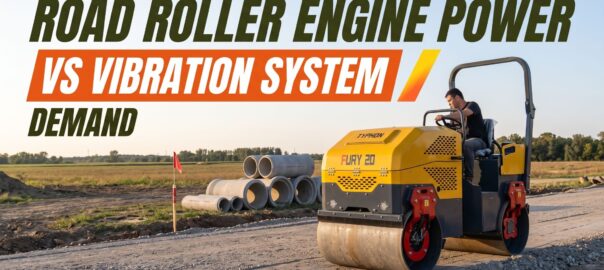
Decision-Making Guide: Building a Practical Routine

A daily maintenance checklist doesn’t need to be complicated. What matters is consistency and attention to detail.

On most jobsites, the best approach is to integrate maintenance into the daily routine. Pre-operation checks in the morning, monitoring during operation, and cleaning at the end of the day create a complete cycle.

The goal isn’t perfection—it’s reliability. By focusing on the tasks that directly affect performance, operators can keep machines running efficiently without adding unnecessary workload.

Over time, this routine reduces repair costs, extends machine life, and improves overall project efficiency.

Conclusion

A road roller is a heavy-duty machine, but its performance depends on small, consistent actions. Daily maintenance isn’t just a technical requirement—it’s a practical habit that keeps jobsites running smoothly.

Choosing to invest a few minutes each day in inspection and care leads to better performance, fewer breakdowns, and longer machine life. In the long run, it’s not about working harder—it’s about working smarter with the equipment you rely on.

Frequently Asked Questions

What is road roller daily maintenance?

It’s a routine set of checks and tasks performed every day to ensure the machine operates safely and efficiently, including inspections, fluid checks, cleaning, and lubrication.

How do I choose the right maintenance routine?

Focus on your machine’s workload and environment. High-use or harsh conditions require more attention, but a basic daily checklist works for most jobsites.

What is the best maintenance practice for road rollers?

Consistency is key. Regular inspections, proper lubrication, and keeping the machine clean are the most effective practices.

Is daily maintenance really worth it?

Yes. It prevents costly repairs, reduces downtime, and extends the life of the machine, making it a smart long-term investment.

What is the difference between daily and periodic maintenance?

Daily maintenance involves basic checks and cleaning, while periodic maintenance includes more detailed servicing like filter changes, oil replacement, and component inspections.