A road roller is designed to compact surfaces so they can handle weight, traffic, and weather over time. Whether it’s a highway, a parking lot, or a building foundation, proper compaction is what keeps the surface from cracking, shifting, or failing early.
At a glance, most rollers look similar—large drums, heavy frames, simple controls. But in practice, different machines behave very differently depending on how they apply pressure, vibration, and weight. Choosing the wrong one doesn’t just slow down your work. It can lead to uneven surfaces, weak compaction, and costly rework.
That’s why it’s worth taking a step back and looking at your project first before comparing machines.
Start With Your Project, Not the Machine
A common mistake is to start by looking at specs or brands. It’s more useful to begin with a few simple questions:
- What material are you compacting? (soil, gravel, asphalt)
- How large is the area?
- Is the jobsite open or restricted?
- How smooth does the final surface need to be?
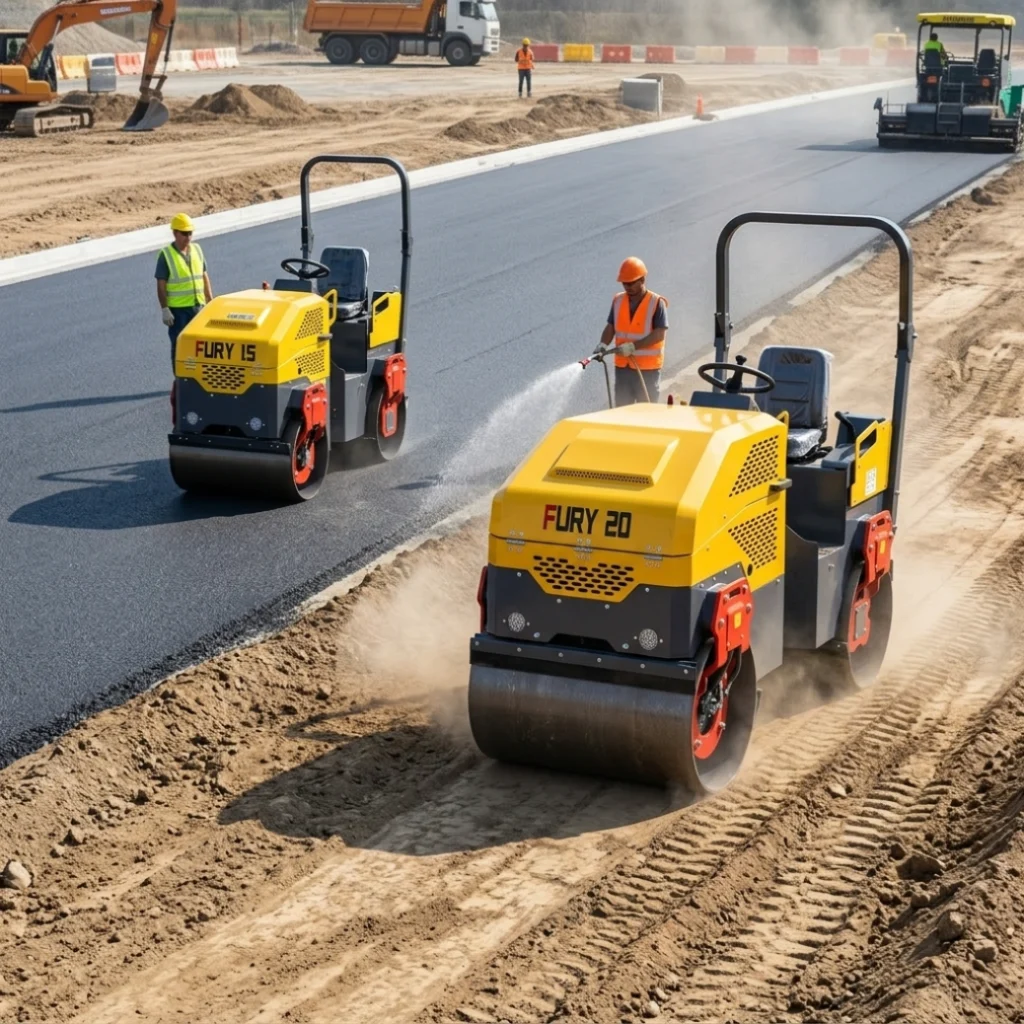
For example, compacting a base layer for a road is very different from finishing an asphalt surface. One requires deep force, while the other needs even pressure and a smooth finish.
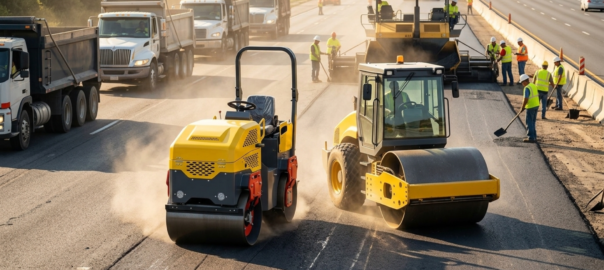
If your site is tight—like sidewalks, pathways, or urban repairs—a large machine may slow you down more than it helps. On the other hand, using a small roller on a large highway project will take too long and may not achieve the required compaction depth.
Matching the machine to the job early on will save you from second-guessing later.
Understanding the Main Types of Road Rollers
Single Drum Rollers
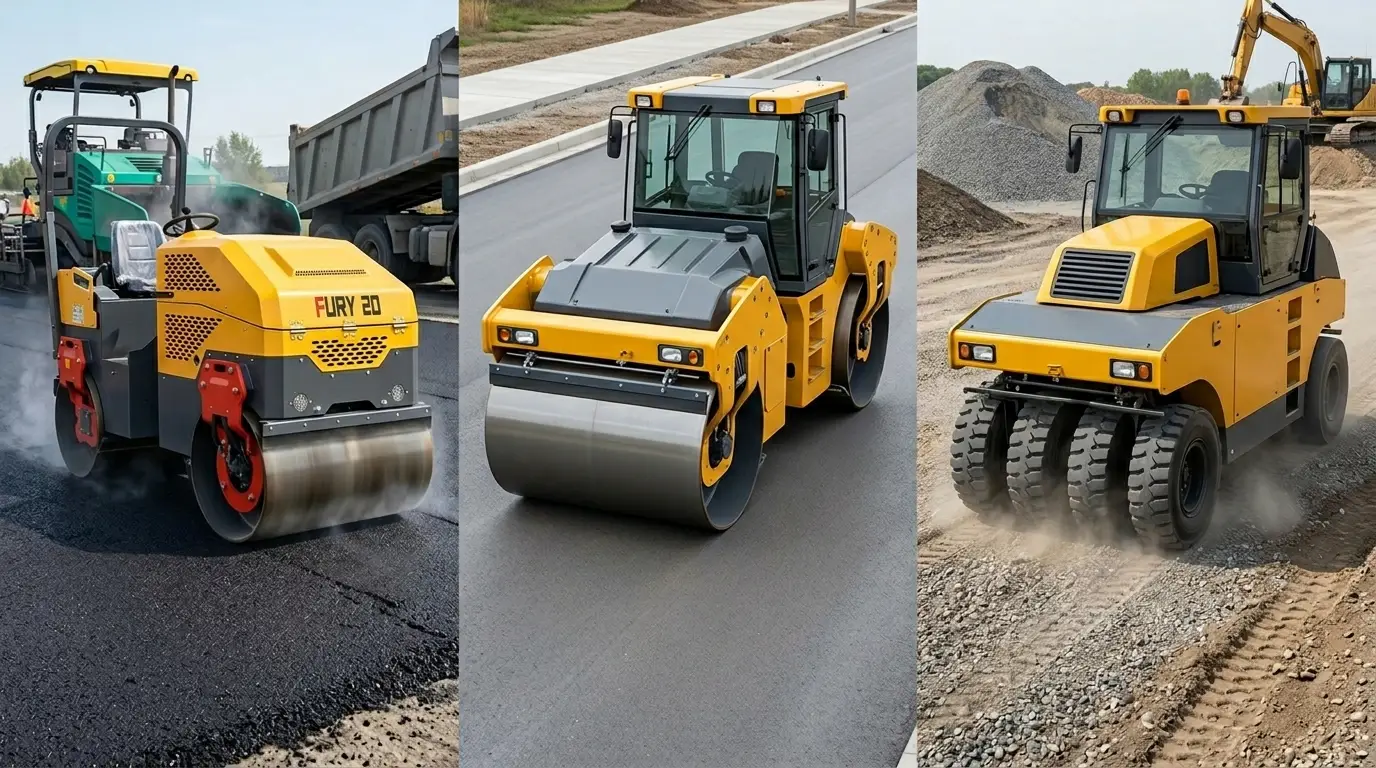
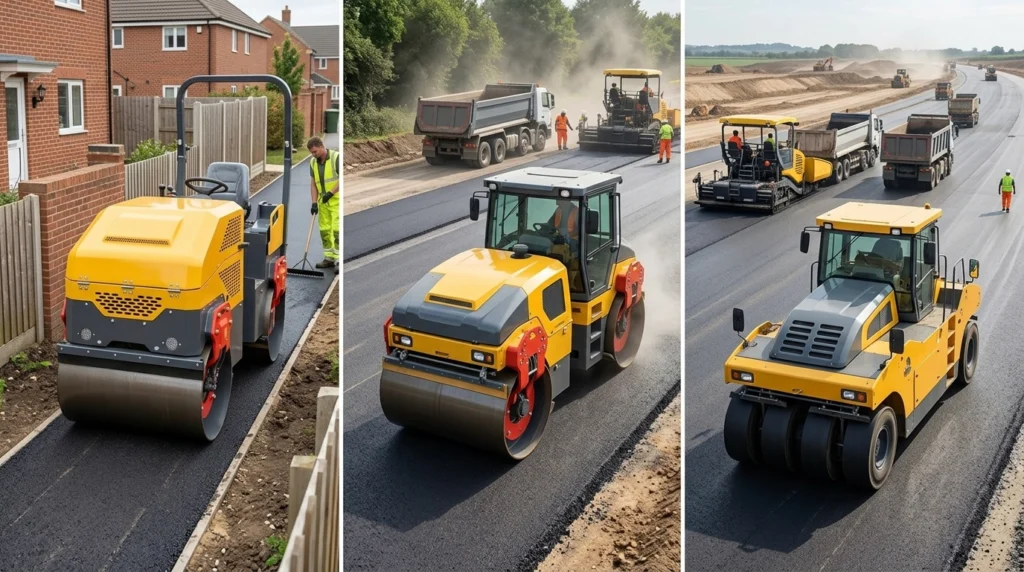
Single drum rollers are widely used for soil compaction. They have one large steel drum at the front and tires at the back. The drum does the compaction, while the rear wheels provide movement and stability.
These machines are a solid choice for foundations, sub-base layers, and uneven ground. Many models include vibration, which helps the drum compact deeper into the material.
Double Drum Rollers
Double drum rollers have two steel drums—one in the front and one in the rear. They’re mainly used for asphalt work where a smooth, even surface matters.
Because both drums apply pressure, the finish tends to be more consistent. You’ll often see these machines on road finishing, parking lots, and surface repairs.
Pneumatic Rollers
Instead of steel drums, pneumatic rollers use multiple rubber tires. These tires create a kneading effect rather than a direct impact.
They’re useful when working with asphalt layers that need to be sealed and bonded properly. They can also help reduce air gaps in the material.
Mini and Walk-Behind Rollers
For small-scale jobs, mini rollers or walk-behind units are often the better choice. They’re easier to transport and can operate in tight spaces where larger machines can’t fit.
They’re commonly used for sidewalks, landscaping, patchwork, and small repairs. While they don’t provide the same force as larger machines, they’re efficient for their size.
Matching the Roller to the Material
Not all materials respond the same way to compaction, and this plays a big role in your decision.
- Soil and gravel: These materials usually need vibration and weight to achieve proper density. A single drum roller with a vibratory system works well here.
- Asphalt: Smoothness is key. Double drum rollers are preferred because they apply even pressure without leaving marks.
- Mixed or layered materials: In some cases, you may need more than one type of roller during different stages of the project.
Trying to use one machine for everything can lead to poor results. It’s better to match the roller to each stage of the job if possible.
Choosing the Right Size and Weight
Weight directly affects how deep the compaction goes. But bigger machines also come with higher fuel use, transport challenges, and less flexibility.
Here’s a general way to think about it:
- Light rollers (1–3 tons): Best for small jobs, landscaping, and repairs
- Medium rollers (4–10 tons): A balanced option for most construction work
- Heavy rollers (10+ tons): Used for large-scale roadwork and infrastructure
Drum width also matters. A wider drum covers more ground in fewer passes, which can speed up large projects. But in tighter areas, a narrower drum gives better control and reduces the risk of damaging nearby structures.
It’s not just about power—it’s about fit.
Key Features That Matter on Real Jobs
Vibration Settings
Most modern road rollers include adjustable vibration. Being able to control frequency and amplitude helps you adapt to different materials and layers.
Too much vibration on asphalt can damage the surface, while too little on soil may not achieve proper compaction.
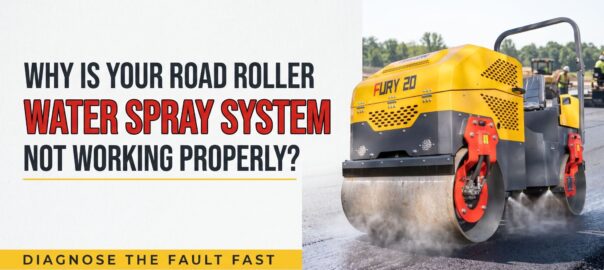
Water Spray System
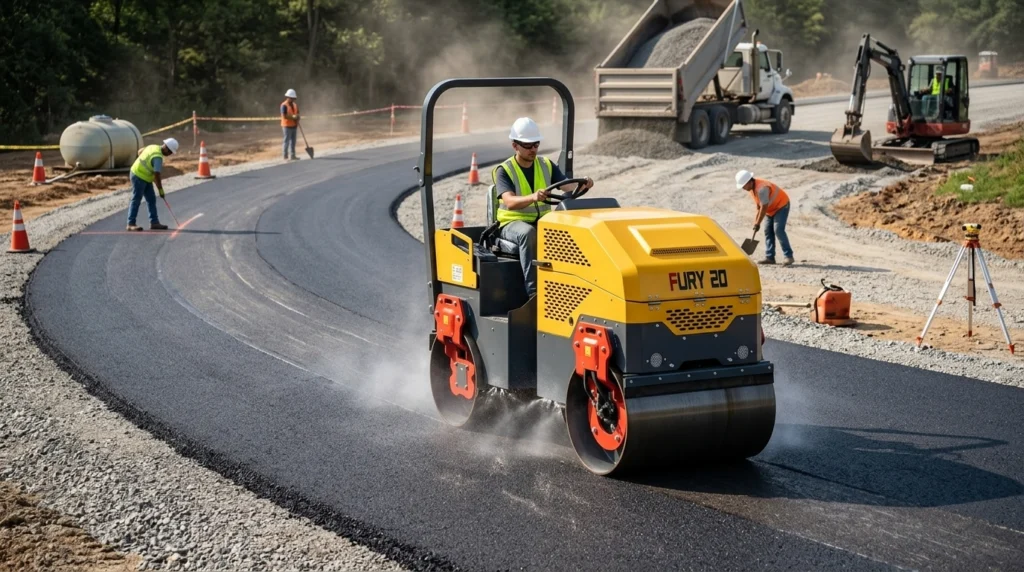
For asphalt work, a water spray system keeps the drum from sticking to the material. Without it, the surface can tear or become uneven.
Drum Design
Smooth drums are used for finishing surfaces, while padfoot drums are better for soil because they penetrate deeper into loose material.
Some rollers allow you to switch drum types, which can be useful if you handle different kinds of projects.
Visibility
Clear sightlines make a real difference, especially when working near edges, curbs, or other equipment. Poor visibility can lead to uneven passes or safety risks.
Ease of Operation and Operator Comfort
Even the best machine won’t perform well if it’s difficult to operate.
Look for:
- Simple, responsive controls
- Comfortable seating and good suspension
- Easy access for maintenance checks
Operators often spend long hours on these machines. Fatigue can lead to mistakes, uneven compaction, or slower progress. A comfortable setup helps maintain consistent results throughout the day.
New vs Used: Making a Practical Choice
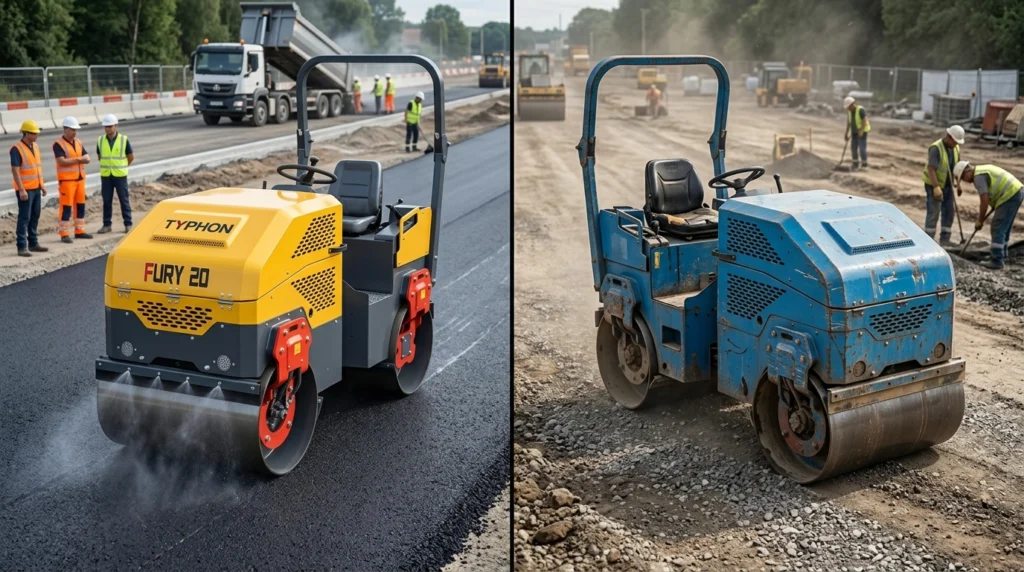
A new road roller offers reliability, warranty coverage, and updated features. If you’re running regular projects, this can reduce downtime and give you more predictable performance.
A used roller, on the other hand, can be a smart option if your budget is limited or your workload is occasional.
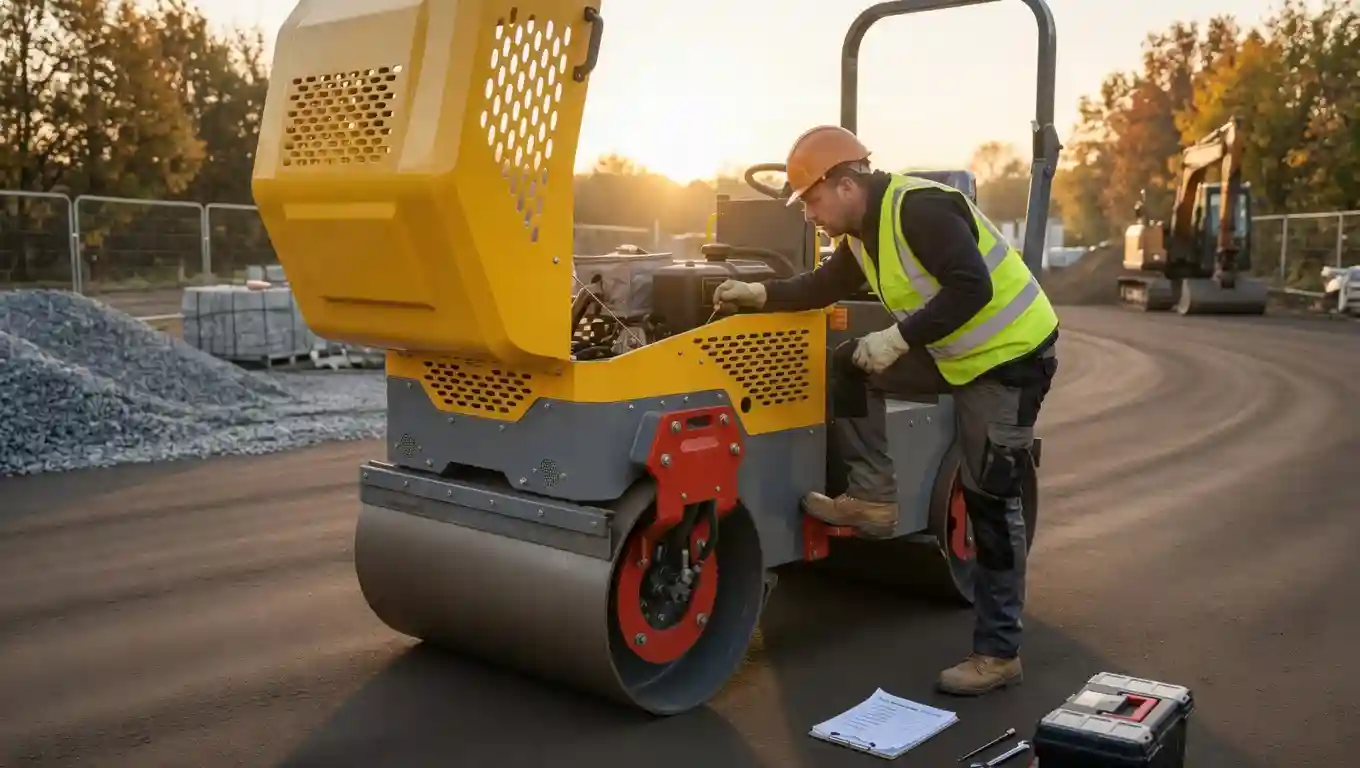
When considering a used machine, check:
- Engine hours
- Service records
- Drum condition (look for cracks or uneven wear)
- Hydraulic system performance
A well-maintained used roller can still deliver solid results. But skipping inspection can lead to unexpected repair costs.
Budget Beyond the Purchase Price
The upfront cost is only part of the picture.
You should also think about:
- Fuel consumption
- Maintenance and parts
- Transport between sites
- Storage
A slightly more expensive machine that runs efficiently and requires fewer repairs may cost less over time than a cheaper one that constantly needs attention.
This is especially important for businesses managing multiple projects.
Common Mistakes to Avoid
Choosing Based Only on Price
It’s tempting to go for the lowest cost, but that often leads to compromises in performance or reliability.
Using the Wrong Type of Roller
Each type is designed for a specific purpose. Using the wrong one can result in poor compaction and rework.
Ignoring Jobsite Conditions
Access, space, and terrain all affect how well a machine performs. A large roller may not be practical in a confined area.
Overestimating Your Needs
Bigger machines aren’t always better. They can increase fuel use and make transport more difficult without adding real value to your project.
Frequently Asked Questions
What size road roller do I need for a small project?
For small projects like driveways, pathways, or landscaping, a light road roller (around 1–3 tons) is usually enough. These machines are easier to handle and work well in tight spaces. Using a larger roller for a small job can make control more difficult and increase costs without adding much benefit.
What type of road roller is best for asphalt?
Double drum rollers are commonly used for asphalt because they provide smooth, even compaction. They help create a consistent surface without leaving marks, which is important for road finishing and parking areas.
Can one road roller handle both soil and asphalt?
It’s possible, but not ideal. A single drum roller with vibration can handle soil well, while a double drum roller is better for asphalt. If your project involves both, you may need different machines for different stages to get the best result.
How do I know if the compaction is enough?
Proper compaction depends on the material and project requirements. In many cases, contractors use density tests or follow a set number of passes with the roller. Visual signs like a smooth, firm surface can help, but testing is the most reliable method for important projects.
Is it better to buy or rent a road roller?
It depends on how often you use it. Renting is a good option for short-term or occasional projects. Buying makes more sense if you use a road roller regularly and want full control over availability and maintenance.
What should I check before buying a used road roller?
Look at the machine’s service history, engine hours, and overall condition. Pay close attention to the drum (check for cracks or uneven wear), hydraulic system, and engine performance. A proper inspection can help you avoid unexpected repair costs.
Does vibration always improve compaction?
Not always. Vibration is useful for soil and granular materials, but too much vibration on asphalt can damage the surface. The key is to adjust the settings based on the material you’re working with.
How many passes does a road roller need?
There’s no fixed number. It depends on the material, roller type, and required density. Some jobs may need only a few passes, while others require more. Following project specifications or testing results is the best approach.
Final Thoughts
Choosing the right road roller isn’t about finding the most powerful or most expensive machine. It’s about finding the one that fits your project.
When you focus on the material, job size, and working conditions, your options become clearer. From there, it’s easier to compare features and make a decision that actually works in practice.
A well-matched road roller will save time, reduce costs, and help you deliver a better result without unnecessary complications.