On many construction sites, choosing the wrong road roller creates problems that are only noticed later. Uneven asphalt, weak soil compaction, slower production, and unnecessary fuel costs often come from using a machine that does not match the actual job conditions.
A contractor working on a rural road project may need strong soil compaction before paving begins, while a city paving crew might prioritize smooth asphalt finishing in tight urban streets. Even though both machines are called road rollers, single-drum and double-drum rollers are designed for very different purposes.
One of the biggest mistakes people make is assuming larger rollers always perform better. In reality, compaction efficiency depends more on surface type, vibration performance, maneuverability, and workflow than machine size alone.
Understanding the differences between single drum and double drum road rollers helps contractors improve productivity, reduce operating costs, and avoid compaction issues that can lead to expensive repairs later.
Understanding the Purpose of Single Drum Rollers
On large earthmoving and road foundation projects, the first challenge is usually compacting loose soil, gravel, or aggregate before paving even begins. This stage requires strong downward force and deep vibration penetration rather than smooth surface finishing.
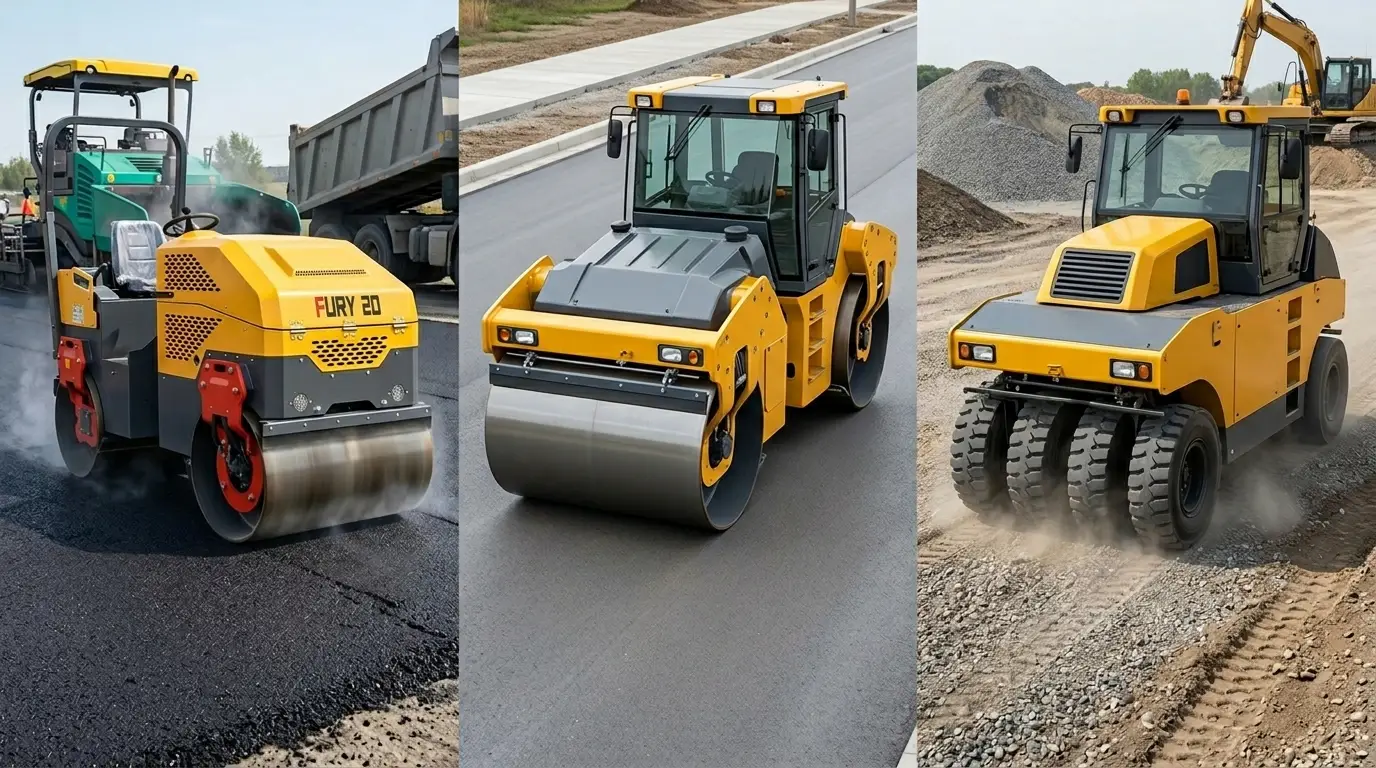
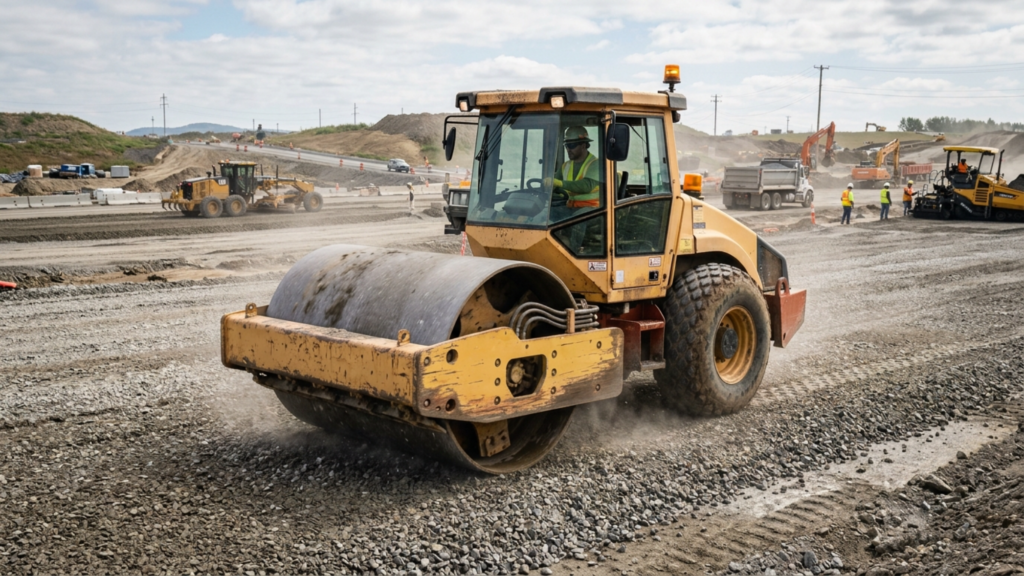
Single drum road rollers are built specifically for this type of heavy compaction work. These machines use one large steel drum in the front and pneumatic tires in the rear, allowing them to apply concentrated compaction force to the ground.
In real job site conditions, single-drum rollers perform well on:
- Highway subgrade preparation
- Embankment construction
- Gravel road compaction
- Landfill projects
- Large infrastructure foundations
The large vibrating drum delivers deep compaction, while the rear tires provide traction on uneven terrain. Many models are also equipped with padfoot drum options for cohesive soils, like clay.
This design makes single-drum rollers especially effective on rough surfaces where smooth asphalt performance is not yet the priority.
From an operational standpoint, they also offer:
- Better climbing ability on slopes
- Stronger compaction depth
- Better traction on loose terrain
- Higher effectiveness for soil stabilization
However, once asphalt paving begins, the limitations of single-drum rollers become more noticeable. The tire-and-drum configuration does not provide the same surface smoothness needed for finish paving work.
That is where double-drum rollers become more practical.
Why Double Drum Rollers Dominate Asphalt Paving
Once the project moves from foundation work to asphalt paving, surface smoothness becomes critical. Even small inconsistencies in compaction can affect road quality, drainage, and long-term durability.
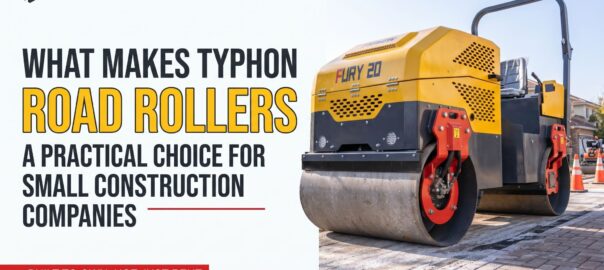
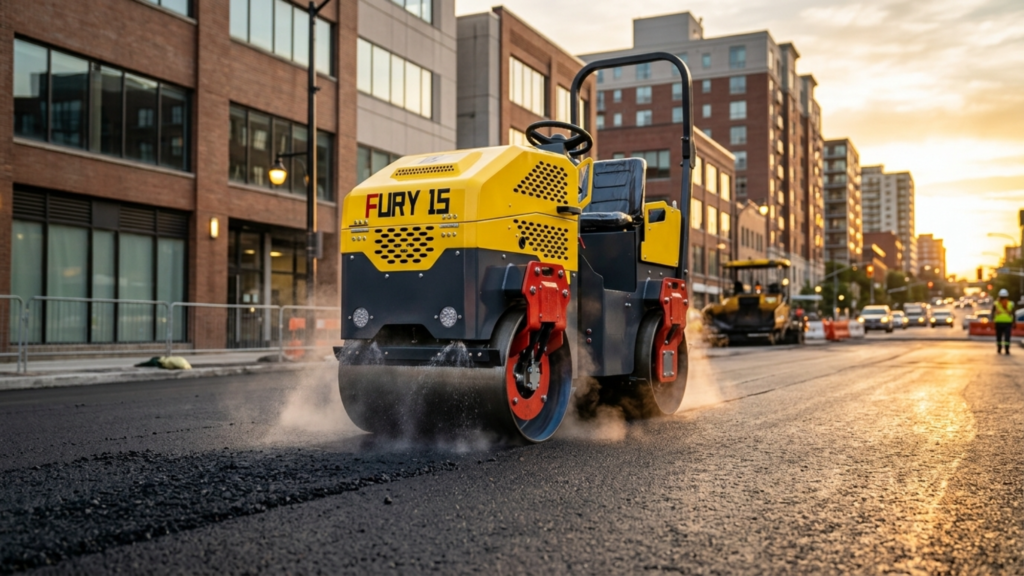
Double drum road rollers are designed specifically for asphalt finishing applications. Instead of using rear tires, these machines feature steel drums at both the front and rear, creating continuous compaction across the entire machine width.
This setup improves:
- Surface smoothness
- Asphalt density consistency
- Vibration distribution
- Finish quality on paved surfaces
On urban road projects, parking lots, airports, and commercial paving jobs, double-drum rollers allow operators to maintain uniform compaction without leaving tire marks behind.
Their compact design also improves maneuverability in tighter spaces where larger soil compactors struggle to operate efficiently.
In practical jobsite use, contractors often rely on double-drum rollers for
- Asphalt road paving
- Parking lot finishing
- Bridge deck compaction
- Bicycle lanes
- Residential street paving
Compared to single-drum machines, double-drum rollers generally produce cleaner and smoother asphalt finishes with fewer passes.
However, they are less effective on deep soil compaction because their weight distribution focuses more on surface-level density rather than deep ground penetration.
As projects become larger and more demanding, compaction requirements may increase beyond what smaller asphalt rollers can efficiently handle.
When Larger Rollers Improve Productivity
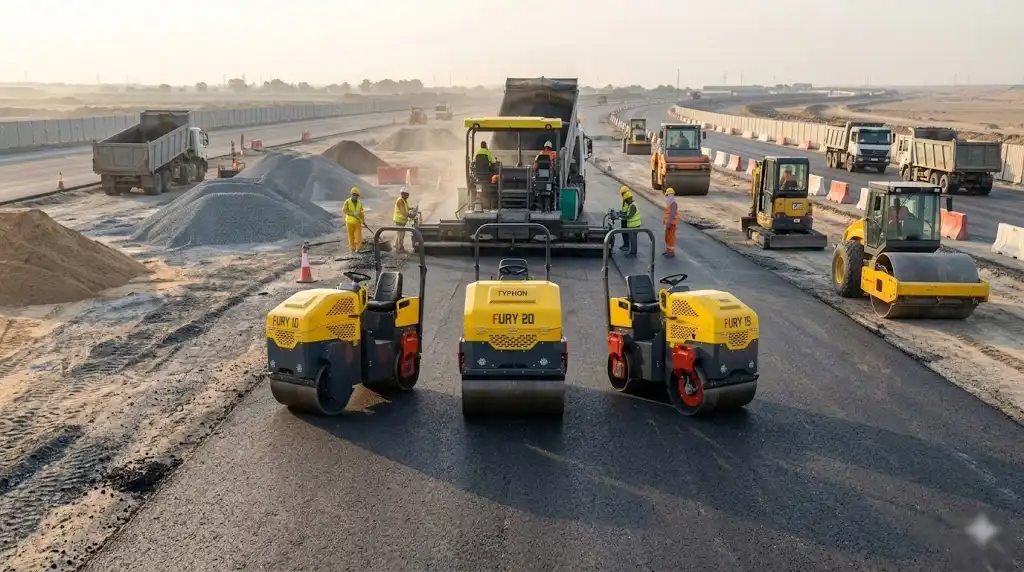
As road construction scales up, productivity becomes just as important as compaction quality. On long highway sections or industrial paving projects, smaller rollers may struggle to maintain pace with paving crews.
This is where larger high-capacity rollers become valuable.
Heavy-duty double drum rollers with wider drums and stronger vibration systems can compact larger asphalt areas faster while maintaining consistent density levels.
In large-scale operations, this directly impacts:
- Daily paving output
- Fuel efficiency per square meter
- Labor productivity
- Project completion speed
For example, on airport runway paving projects, larger tandem rollers help crews maintain continuous asphalt compaction behind paving machines without creating workflow bottlenecks.
Meanwhile, large single-drum rollers are commonly used in mining roads, dam construction, and large infrastructure developments where extremely deep compaction is required.
The main advantage of scaling up is reduced passes and faster coverage. But larger machines also introduce trade-offs such as:
- Higher fuel consumption
- Increased transportation costs
- More difficult maneuverability
- Higher maintenance expenses
Bigger equipment only makes sense when production demands justify the investment.
For smaller contractors or mixed-use projects, flexibility may matter more than maximum compaction power.
Heavy-Duty Rollers for Specialized Applications
Some projects involve conditions far beyond standard road construction. Large infrastructure projects, quarry roads, ports, and industrial sites often require extreme compaction performance under demanding conditions.
In these environments, specialized heavy-duty rollers become necessary.
High-tonnage single-drum rollers are often used for:
- Deep soil stabilization
- Rock fill compaction
- Mining haul roads
- Dam and landfill construction
Their high centrifugal force allows deeper material penetration, which smaller asphalt rollers cannot achieve effectively.
On the asphalt side, advanced double-drum rollers equipped with intelligent compaction technology can monitor density and vibration performance in real time. These systems help improve consistency while reducing unnecessary passes.
However, specialized machines come with significant costs:
- Higher initial purchase price
- Increased maintenance complexity
- Greater fuel usage
- More operator training requirements
For many contractors, owning these machines only makes sense if they regularly handle large infrastructure projects.
Otherwise, renting specialized rollers for occasional projects may provide better financial efficiency.
In many day-to-day construction environments, versatility often becomes more valuable than specialized maximum performance.
Flexible Alternatives for Mixed Jobsite Conditions
Not every project fits neatly into soil compaction or asphalt finishing categories. Some contractors work on mixed-use projects where flexibility matters more than specialization.
In these cases, compact tandem rollers or combination rollers may offer a better balance.
Combination rollers use a steel drum in the front and pneumatic tires in the rear, allowing them to handle certain asphalt applications while still providing some flexibility on varied surfaces.
These machines are commonly used for:
- Small commercial paving
- Residential road work
- Utility repair projects
- Municipal maintenance
Compared to full double-drum rollers, they may offer:
- Lower operating costs
- Easier transportation
- Better versatility
- Simpler maintenance
However, they typically cannot match the finish quality of true double-drum rollers or the deep compaction strength of dedicated single-drum machines.
For contractors handling a wide range of smaller projects, flexibility can sometimes generate more long-term value than owning highly specialized equipment.
The best choice ultimately depends on the type of work performed most often.
How to Choose the Right Road Roller for Your Work
Choosing between a single-drum and double-drum road roller should start with understanding the actual material being compacted.
If most projects involve the following:
- Soil
- Gravel
- Base layers
- Heavy ground preparation
Then a single drum roller is usually the better option because it delivers stronger deep compaction and better traction on uneven terrain.
If the primary work involves:
- Asphalt paving
- Parking lots
- Urban streets
- Finish compaction
Then a double-drum roller provides smoother and more consistent surface results.
Contractors should also consider:
- Typical project size
- Transportation logistics
- Fuel costs
- Operator experience
- Maintenance support
- Daily production targets
In many cases, the most efficient fleet includes both machine types because each serves a different role during road construction.
The goal is not simply to choose the largest or most expensive roller but to select equipment that matches the actual workflow and compaction requirements of the jobsite.
Conclusion
Single drum and double drum road rollers are designed for different stages of construction, and understanding those differences has a major impact on productivity, surface quality, and operating costs.
Single-drum rollers excel at deep soil and foundation compaction, while double-drum rollers provide the smooth asphalt finishing needed for modern paving projects.
The best machine is not always the most powerful one. The right choice depends on material type, project scale, and how the equipment fits into the overall workflow.
As construction projects continue demanding higher efficiency and better surface quality, selecting the proper compaction equipment becomes an increasingly important part of successful operations.
Frequently Asked Questions
What is a road roller?
A road roller is a compaction machine used to compress soil, gravel, asphalt, or other construction materials to create stable and durable surfaces for roads and infrastructure projects.
How do I choose the right road roller?
Choose based on the material and application. Single-drum rollers work best for soil and foundation compaction, while double-drum rollers are better for asphalt paving and surface finishing.
What is the best road roller for asphalt paving?
Double drum road rollers are generally considered the best option for asphalt paving because they provide smooth, even compaction without leaving tire marks.
Is a single drum roller worth it?
Yes, especially for contractors working on earthmoving, subgrade preparation, and heavy soil compaction projects where deep vibration penetration is required.
What is the difference between single-drum and double-drum road rollers?
Single-drum rollers use one steel drum and rear tires for deep soil compaction, while double-drum rollers use two steel drums for smoother asphalt surface compaction and finishing.