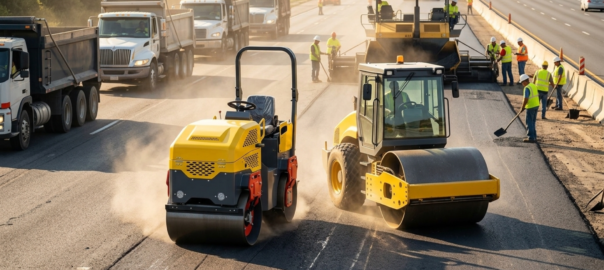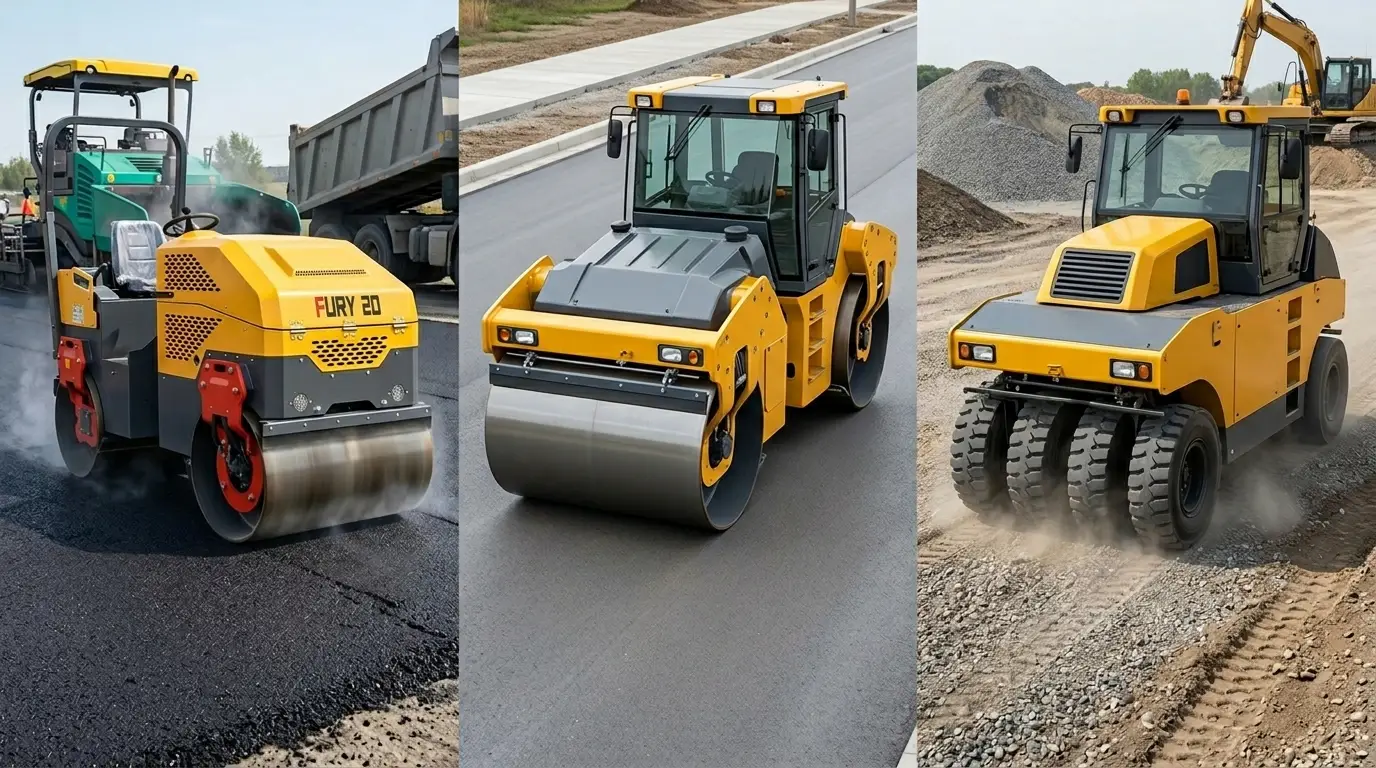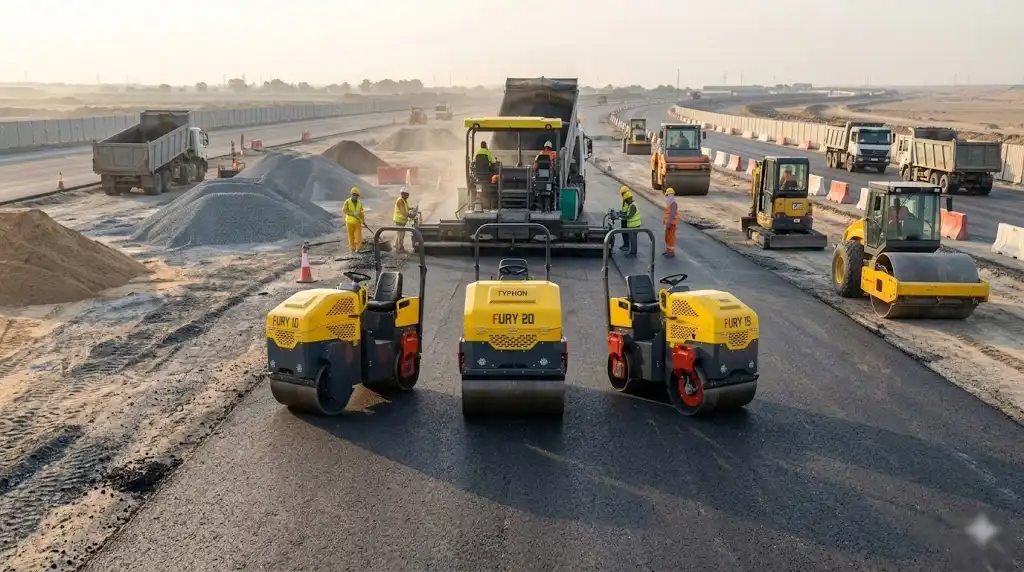
A contractor wins a sizable parking lot job and figures the compact roller already sitting in his yard can cover it. He wants to skip a rental and protect his margin, so he sends the small machine out to compact a deep aggregate base across a wide area. Two days in, the base still won’t hit density. The narrow drum leaves overlap seams everywhere, the machine takes triple the passes to do what a bigger roller does in one, and the inspector rejects a section for inconsistent compaction. What looked like a smart saving turns into rework, a blown schedule, and the rental he was avoiding. The roller wasn’t broken. It was simply too small for the work.
That gap between what a small roller can do and what a large job demands trips up more contractors than any spec sheet ever warns about. Road rollers are capable, efficient machines, but capability has limits tied to drum width, weight, and compaction force. This post shows you where those limits sit and how to judge them honestly. You’ll learn how to evaluate a small roller’s real capacity, recognize the jobs that push it too far, choose the right approach when the work is big, and apply smart tactics to get the most from a compact machine.
Evaluating What a Small Road Roller Can Actually Do
Before you judge whether a small roller fits a big job, you need to understand what drives its performance. A compact machine has real strengths, but they come with fixed physical limits. Knowing those limits is the foundation of every smart decision that follows.
Understand Drum Width and Coverage Rate
A small roller’s drum is narrow, so it compacts a slim strip with each pass. That narrow width means more passes and more overlapping runs to cover a wide area, which multiplies your time on large open sites. Coverage rate, not just capability, is what slows a small machine down on big work.
Do the math before you commit. A wide lot or a long road stretch demands far more passes from a compact drum than from a full-size machine. Comparing your roller compaction coverage rate against the area and deadline tells you fast whether the machine can keep pace with the schedule.
Know the Weight and Force Limits
Compaction density comes from a machine’s weight combined with its vibration force. Small rollers weigh less and generate less force, so they drive density into thinner layers rather than deep ones. On light asphalt lifts and shallow bases, that’s plenty. On thick fill, it falls short.
Be honest about lift thickness. A small roller reaches proper density only within a limited depth per pass, so checking the roller compaction pass depth it delivers against your required lift matters. Ask it to compact a layer thicker than its rating, and the surface locks up while the material below stays loose.
Match Vibration to the Material
A small roller’s vibration system suits granular material and thin asphalt well. The small roller vibration frequency is tuned for lighter, more precise work rather than the deep energy heavy fill needs. On the right material, that vibration compacts cleanly and efficiently.
Cohesive clay and thick base tell a different story. These materials demand more force or a padfoot action than a compact vibratory drum supplies.
Takeaway: a small roller delivers strong results within clear limits of width, weight, and force, so evaluate those limits against your job before you assume the machine can handle it.
Recognizing When a Job Outgrows a Small Machine
Some jobs quietly exceed what a compact roller can deliver, and the warning signs are easy to miss until the work stalls. Learning to spot them saves you from rework and rejected sections. These are the conditions that push a small machine past its capacity.
Spot the Signs of an Oversized Job
Three factors flag a job as too big for a small roller: large open area, deep lifts, and heavy cohesive material. Any one of these strains is a compact machine, and together they overwhelm it. A wide highway subbase in thick clay is the clearest example of work a small roller can’t finish alone.
Watch for the symptoms on site. Endless passes without hitting density, visible seams between runs, and a base that pumps or moves underfoot all signal a machine that’s outmatched. When you see these, the roller isn’t underperforming. The job simply demands more than it was built to give.
Weigh Time and Cost Against Capability
A small roller can sometimes do big work, but slowly. The real question is whether the added passes and hours cost more than renting the right machine. On a tight deadline, a compact roller grinding through a large lot burns labor and fuel that quickly erase any rental savings.
Run the numbers honestly. A compaction equipment size guide helps you match machine size to area and lift so you can compare the true cost of pushing a small roller against the cost of the correct one. Cheaper by the day rarely means cheaper by the job.
Protect Quality and Compliance
Large jobs often carry compaction specs and inspections that leave no room for guesswork. A small roller that can’t reach density across the full depth risks failing those tests, and a rejected section costs far more to redo than to compact right the first time.
Reputation rides on results, too. Consistent, spec-compliant compaction protects both the project and your standing with the client.
Takeaway: recognize the signs of an oversized job early, weigh the true time and cost of forcing a small machine, and never gamble quality or compliance to save a rental fee.
Choosing the Right Approach for Big Compaction Work
Once you know a job is large, the smart move is deciding how to tackle it rather than defaulting to whatever’s in the yard. Several approaches work, and the best one depends on your budget, schedule, and how often big jobs come up. Here’s how to weigh them.
Rent or Buy the Right Machine
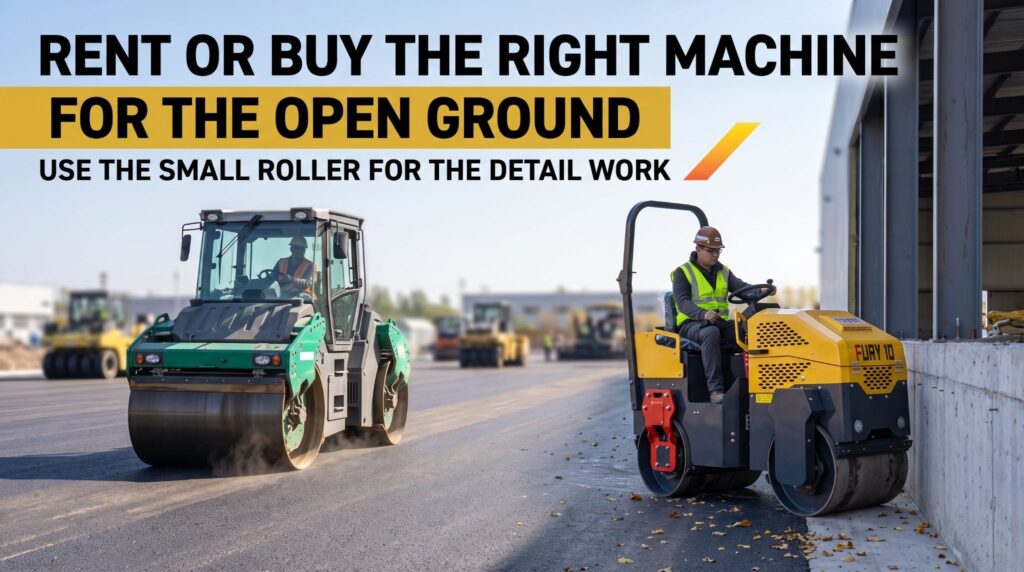
For most large jobs, matching the machine to the work is the surest path. A full-size roller with a wide drum, more weight, and greater force compacts deep lifts across big areas in a fraction of the passes, protecting both your schedule and your density results.
Decide between renting and owning based on frequency. If large jobs are rare, renting the right roller for those projects keeps costs down without idle equipment. If big work is regular, owning a larger machine pays off. Base the call on how often the work truly appears, not on a single job.
Use a Small Roller as a Support Machine
A compact roller earns its keep on big sites as a support tool rather than the primary machine. It handles edges, tight corners, around structures, and confined spots a large roller can’t reach, working alongside the bigger machine instead of replacing it.
This pairing plays to each machine’s strength. The large roller covers open ground fast while the small one finishes the detail work. On many major jobs, that combination is more efficient than either machine alone, and it puts your compact roller exactly where it excels.
Plan Passes and Lift Thickness Carefully
When a small roller must take on more than usual, planning makes the difference. Compact in thinner lifts than you would with a big machine, since a small roller only reaches density within a shallow depth per pass. Thin layers, properly compacted, beat thick layers left loose underneath.
Map your pass pattern to guarantee full coverage with proper overlap, so no strip is left under-compacted. Careful planning won’t turn a small roller into a big one, but it gets the most from the machine you have.
Takeaway: choose the right machine for large work, use a small roller for edges and detail, and plan lifts and passes carefully so every approach protects your density and your deadline.
Applying Smart Tactics to Stretch a Small Roller
Sometimes a small roller is what you have, and the job is bigger than ideal. In those cases, technique and preparation help you push its capability responsibly without sacrificing results. These tactics get the most from a compact machine on demanding work.
Prepare the Material and Base First
Good compaction starts before the roller moves. Proper moisture content lets material compact far more easily, so a base that’s too dry or too wet fights even the right machine. Getting moisture right can let a small roller achieve density it otherwise couldn’t.
Even lift placement matters just as much. Spreading material in consistent, correctly graded layers means the roller compacts uniformly instead of chasing high and low spots. A well-prepared base does part of the roller’s work for it, extending what a small machine can accomplish.
Optimize Passes and Overlap
A small roller depends on smart pass patterns to cover ground well. Overlap each pass consistently so no strip is left soft, and work in a planned sequence rather than random runs. Disciplined coverage prevents the seams and weak spots that plague rushed compaction.
Know when enough is enough, too. Additional passes stop adding density past a point, and over-rolling can loosen or damage some materials. Watch the surface and test density so you compact fully without wasting passes on a job that’s already done.
Know When to Stop and Call for More
The most important tactic is honesty about limits. If a small roller isn’t reaching density after reasonable effort, pushing harder wastes time and risks a failed inspection. Recognizing that moment early lets you bring in the right machine before the schedule slips.
Watch for the clear signals: density tests that won’t pass, a base that keeps moving, or a pass count climbing far beyond normal.
Takeaway: prepare the material, optimize your passes and overlap, and stay honest about when a small roller has reached its limit, so you stretch its capability without gambling the result.
Frequently Asked Questions
Can a small road roller compact a large area?
It can, but often slowly and at a cost. A small roller’s narrow drum covers a slim strip per pass, so a large area demands far more passes and hours than a full-size machine needs. For occasional small jobs that limit is fine, but on big open sites the added time and fuel frequently outweigh the cost of renting the right roller. Weigh coverage rate and deadline before you commit a compact machine to large work.
How deep can a small road roller compact?
A small roller reaches proper density only within a shallow depth per pass, because it generates less weight and vibration force than a larger machine. That makes it well suited to thin asphalt lifts and shallow granular bases, but poor for thick fill. If you must use one on deeper material, compact in thinner lifts so each layer reaches full density rather than leaving loose material underneath.
What happens if I use a roller that’s too small for the job?
You risk incomplete compaction, where the surface locks up while the material below stays loose. That shows up as endless passes without hitting density, visible seams between runs, and a base that pumps or moves underfoot. On jobs with compaction specs, an undersized roller can fail inspection, forcing costly rework that erases any savings from skipping the right machine.
Is it cheaper to use a small roller I own or rent a bigger one?
It depends on the job. A small roller you own avoids rental fees, but if it triples your passes and hours on a large job, the labor and fuel can cost more than a rental. Compare the true job cost, not just the daily rate. For large or deadline-driven work, renting the correctly sized machine is often cheaper overall and protects your compaction quality.
Can a small roller work alongside a larger one on big jobs?
Yes, and this is often the smartest use of a compact machine on major sites. Let the large roller cover open ground quickly while the small one handles edges, corners, tight spots, and areas near structures the big machine can’t reach. This pairing plays to each machine’s strength and is frequently more efficient than relying on either roller alone.
Conclusion
A small road roller can take on parts of a large compaction job, but whether it should comes down to an honest evaluation of its limits against what the work demands, since drum width, weight, and vibration force set clear boundaries on how wide an area and how deep a lift a compact machine can compact to spec, and pushing past those boundaries invites endless passes, visible seams, failed density tests, and the kind of rework that costs far more than the rental you tried to avoid, so the smart approach is to recognize early when a job’s area, lift depth, or cohesive material has outgrown a small machine, then choose the right response by matching a full-size roller to genuinely big work while using your compact roller for edges, corners, and detail where it truly excels, and when you must stretch a small machine, prepare the base and moisture properly, compact in thinner lifts, plan your passes and overlap with discipline, and stay honest about the moment it has reached its limit rather than gambling the result; get that judgment right and you protect your schedule, your density, and your reputation on every job, and when you’re ready to match the right compaction machine to the size of your work, reach out to a trusted equipment specialist who can pair dependable equipment with the results your projects depend on.