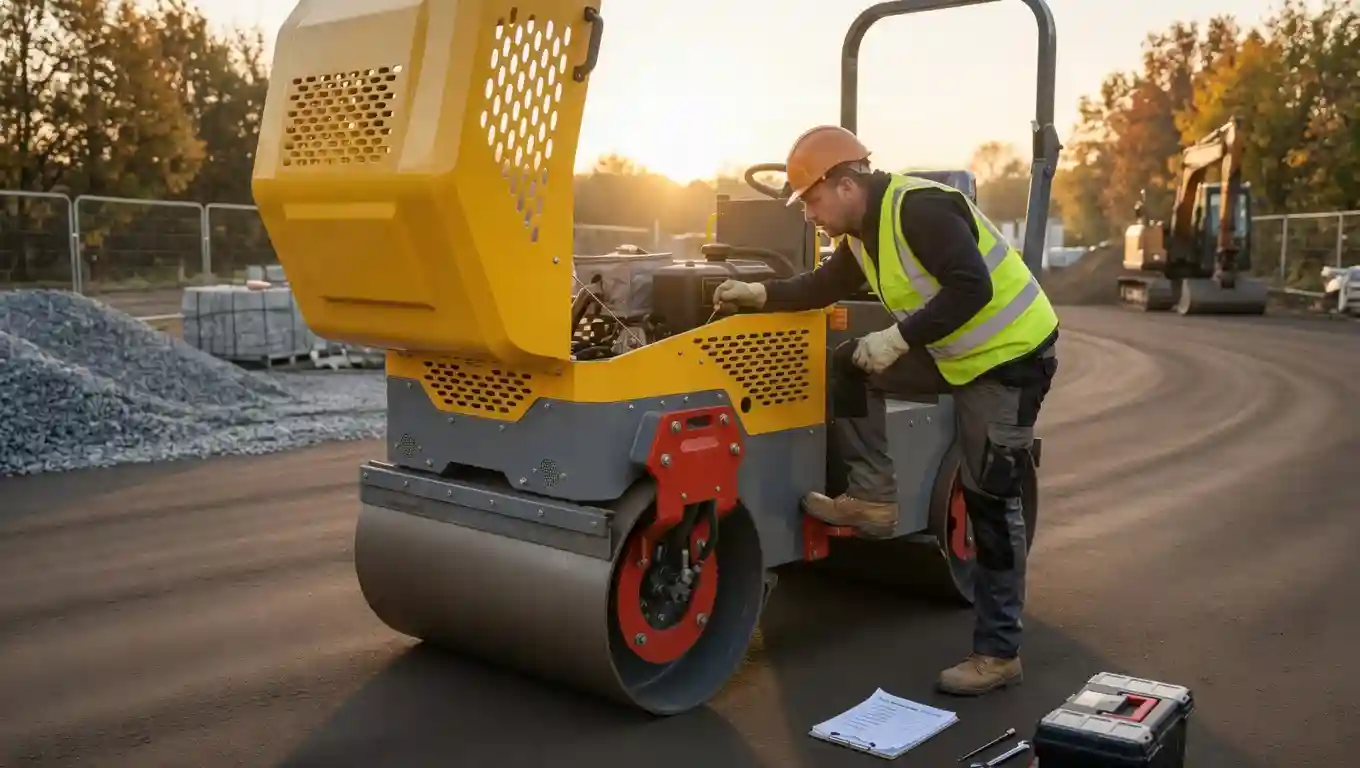
On many construction sites, a road roller is expected to keep running from morning until the surface is properly compacted. But in reality, operators often face sudden stops, weak vibration, uneven compaction, or overheating issues right in the middle of a job. When that happens, everything slows down—material supply, paving schedule, and even labor coordination.
What usually gets overlooked is that most of these issues don’t start suddenly. They build up from daily wear, poor maintenance habits, or ignoring early warning signs like unusual noise or reduced performance.
Understanding these common road roller problems is not just about fixing machines—it’s about keeping the entire workflow stable, reducing repair costs, and avoiding project delays that can become very expensive.


Engine Starting and Power Loss Issues
One of the most common frustrations on-site is when the road roller struggles to start or suddenly loses power during operation. This often happens in the early morning or after long idle periods.
In most cases, the problem comes from fuel contamination, clogged fuel filters, weak battery charge, or dirty air filters. When air and fuel flow is restricted, the engine cannot burn efficiently, leading to poor performance or stalling.
In real jobsite conditions, this can stop compaction work completely, especially when the machine is critical for finishing layers. It also increases fuel consumption because the engine works harder than normal.
Regular filter replacement, battery inspection, and using clean fuel are simple steps that prevent most of these issues before they start.
Vibration System Failure or Weak Compaction
Another frequent issue is when the vibration system becomes weak or completely stops working. Since vibration is the core function of a road roller, this directly affects compaction quality.
This problem is often caused by hydraulic oil issues, worn-out bearings, or internal vibration shaft damage. Sometimes, operators also notice uneven compaction patterns on the surface, which indicates early vibration inconsistency.
When this happens, the machine may still move normally, but the compaction result will not meet standards. This leads to rework, which costs both time and material.
Checking hydraulic oil levels, inspecting vibration components regularly, and avoiding overload conditions can significantly reduce this failure.
Hydraulic System Leaks and Pressure Drops
As workload increases, hydraulic systems naturally become more vulnerable to wear and leakage. A common sign is slow drum response, weak steering, or visible oil leakage around hoses and seals.
Hydraulic problems usually develop gradually due to aging seals, high-pressure operation, or contaminated hydraulic oil. Once pressure drops, the machine loses smooth control, affecting both safety and precision.
On large construction sites, even a small hydraulic delay can slow down the entire compaction cycle, especially when working alongside pavers and trucks.
Preventive maintenance, including timely oil replacement and hose inspection, helps avoid sudden breakdowns and expensive downtime.
Overheating During Continuous Operation
Road rollers often operate for long hours under heavy sunlight and dusty environments. Overheating becomes a serious issue when cooling systems are not maintained properly.
The main causes include clogged radiators, low coolant levels, or blocked airflow due to dust buildup. When overheating occurs, the engine automatically loses efficiency or shuts down to prevent damage.
This is especially common in large projects where machines run continuously without enough cooling breaks.
Cleaning the radiator, checking coolant levels daily, and ensuring proper airflow are simple but essential practices to prevent overheating.


Drum Wear and Surface Irregularities
Over time, the drum surface of a road roller starts showing wear, flat spots, or uneven contact with the ground. This leads to poor compaction quality and inconsistent surface finishing.
This issue usually develops from long-term use on rough materials or poor maintenance of drum bearings. When ignored, it can cause vibration imbalance and affect machine stability.
On road construction projects, this results in uneven surfaces that require re-rolling or additional finishing work.
Replacing worn components early and inspecting drum condition regularly helps maintain consistent compaction results.
Electrical and Sensor Malfunctions
Modern road rollers often include sensors and electronic controls for vibration, speed, and safety monitoring. When electrical issues occur, operators may see warning lights, erratic readings, or system shutdowns.
These problems are usually caused by loose wiring, moisture exposure, or damaged control modules. In some cases, dust infiltration also affects sensor accuracy.
Even though these issues may seem minor, they can disrupt machine operation and reduce precision during compaction tasks.
Proper sealing, routine electrical checks, and keeping connectors clean can prevent most of these failures.
Fuel Efficiency Drop and Unstable Operation
When a road roller starts consuming more fuel than usual while delivering less performance, it usually indicates internal inefficiencies.
Dirty injectors, incorrect engine tuning, or excessive load are common causes. Sometimes operators don’t notice it until fuel costs rise significantly over time.
This issue not only increases operational cost but also signals deeper engine or system inefficiencies that may lead to bigger failures if ignored.
Regular engine tuning and load management help maintain stable fuel performance.

Decision-Making Guide for Operators and Site Managers
Choosing how to handle road roller problems depends on how early you detect them. Small issues like filter clogging or dust buildup should be handled immediately on-site, while hydraulic or engine problems may require professional repair.
In daily operations, the best approach is preventive maintenance rather than reactive repair. Machines that are inspected regularly tend to last longer, perform more consistently, and cost less over their lifecycle.
For site managers, tracking maintenance schedules and operator reports can significantly reduce unexpected downtime.
Conclusion
Most road roller problems don’t appear overnight; they build slowly through daily wear, environmental stress, and missed maintenance steps. Whether it’s engine issues, vibration failure, or hydraulic leaks, early detection is what keeps machines reliable on the jobsite.
In real construction work, performance is not just about machine power; it’s about consistency, maintenance habits, and timely action. Choosing to fix small problems early always costs less than dealing with major breakdowns later.
Frequently Asked Questions
What are the most common road roller problems?
Common issues include engine starting failure, weak vibration, hydraulic leaks, overheating, and electrical malfunctions.
How do I choose the right maintenance schedule for a road roller?
It depends on usage intensity, but daily inspections combined with regular service intervals are ideal for heavy construction use.
What causes weak compaction in a road roller?
Usually vibration system issues, hydraulic problems, or worn drum components.
Is it worth repairing old road roller issues?
Yes, if the machine frame is still in good condition, repairing is usually more cost-effective than replacing.
What is the difference between hydraulic and mechanical failures?
Hydraulic failures affect power flow and control, while mechanical failures involve physical wear of components like drums or bearings.