In the construction and paving industry, the margin between a profitable project and a financial loss often comes down to a single factor: doing the job right the first time. Poor soil or asphalt compaction inevitably leads to structural failures, severe safety hazards, and massive financial penalties. When you rely on superior heavy machinery to handle these foundational tasks, you protect your bottom line.
Road rollers are not just heavy weights pushing down on dirt. Modern road rollers are sophisticated, highly engineered machines designed to achieve precise material density and surface smoothness. By utilizing the right compaction equipment and operating it correctly, construction equipment buyers and project managers can dramatically improve compaction quality and permanently reduce construction costs.
This comprehensive guide details exactly how these vital machines elevate your jobsite performance. Whether you are managing a municipal highway paving project or preparing the foundation for a massive commercial warehouse, understanding the mechanics of high-quality compaction ensures you deliver reliable, long-lasting results.
Key Takeaways:
- Discover how modern road rollers achieve optimal material density and structural integrity.
- Learn how high-quality compaction directly prevents expensive project rework.
- Understand the relationship between machine efficiency, fuel savings, and lower operating costs.
- Gain actionable insights into choosing the right roller for specific materials and applications.
- Master core operating techniques that maximize both machine productivity and pavement lifespan.
The Core Mechanics of Compaction Quality
Compaction is the critical process of removing air voids from soil, gravel, or asphalt. When you force the solid particles closer together, you increase the density and load-bearing capacity of the material. Road rollers achieve this through a combination of static weight, high-frequency vibration, and specialized manipulation.
Achieving Optimal Material Density
Density is the ultimate metric of success in any compaction project. If the foundational soil beneath a road lacks adequate density, the weight of daily traffic will force the earth to settle unevenly. This settling causes the asphalt above to crack, sink, and eventually collapse.
Road rollers achieve optimal material density by applying dynamic forces that break the natural friction between soil particles. Vibratory rollers, for instance, utilize internal eccentric weights spinning at high speeds. These vibrations send shockwaves deep into the ground, temporarily liquefying the soil matrix. The static weight of the heavy steel drum then forces the particles into a tight, interlocking structure.
By achieving proper density, you create an impermeable barrier. This prevents destructive ground water from seeping into the subbase, freezing, expanding, and destroying your pavement from the inside out. Superior compaction quality guarantees a foundation that withstands the test of time and weather.
Here is what you should do next: Always test your soil or asphalt density during the compaction process using nuclear density gauges or intelligent compaction technology to ensure you hit your targets before the material sets.
Delivering Smoother Surface Finishes
While density provides structural strength, surface smoothness dictates the final quality of a paving job. A bumpy, uneven asphalt road frustrates drivers, accelerates vehicle wear, and reflects poorly on your company’s capabilities.
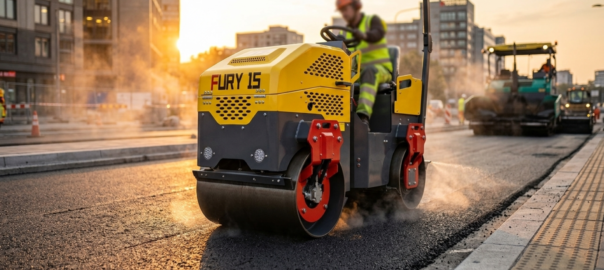
Tandem vibratory road rollers excel at creating perfectly smooth finishes. The dual steel drums glide over the hot mix asphalt, flattening ridges and pressing aggregate stones into a tight, uniform matrix. Water spray systems keep the hot asphalt from sticking to the cold steel drums, ensuring the mat remains pristine and free of tears.
When your operators master the use of these machines, they deliver a surface that meets the strictest municipal and state department of transportation smoothness specifications. Earning bonuses for exceptional ride quality adds direct profit to your operations.
How High-Quality Compaction Reduces Construction Costs
Investing in high-performance compaction equipment requires upfront capital, but the long-term financial returns are undeniable. The true value of a premium road roller lies in its ability to protect your profit margins by mitigating risks and operational waste.
Eliminating Expensive Rework
Rework is the most devastating expense on any construction site. If an inspector fails a section of road due to inadequate density or surface defects, you must rip up the material and start over. You pay for the labor twice, the fuel twice, and the expensive raw materials twice. Furthermore, rework destroys your project schedule, potentially triggering severe liquid damage penalties for late completion.
Properly utilized road rollers eliminate this risk entirely. By hitting your density targets efficiently on the first attempt, you keep your project moving forward. Modern intelligent compaction (IC) systems provide operators with real-time, color-coded maps on an in-cab display. These maps show exactly which areas have reached optimal stiffness and which require more passes. This technology removes the guesswork, completely eradicating the costly errors associated with under-compaction or over-compaction.
Here is what this means for you: Investing in rollers equipped with intelligent compaction technology acts as a direct insurance policy against devastating jobsite rework.
Lowering Long-Term Maintenance Expenses
Construction firms often hold long-term maintenance contracts on the infrastructure they build. If you build a road poorly, you will spend the next ten years patching potholes and filling massive cracks.
High compaction quality significantly extends the lifecycle of the pavement. A densely compacted road resists rutting from heavy truck traffic and prevents thermal cracking during harsh winters. By doing the job correctly with the right road roller, you drastically reduce construction costs associated with warranty repairs and ongoing maintenance. This allows your crews to bid on new, profitable projects rather than constantly fixing old mistakes.
Operational Efficiency: Productivity and Fuel Savings
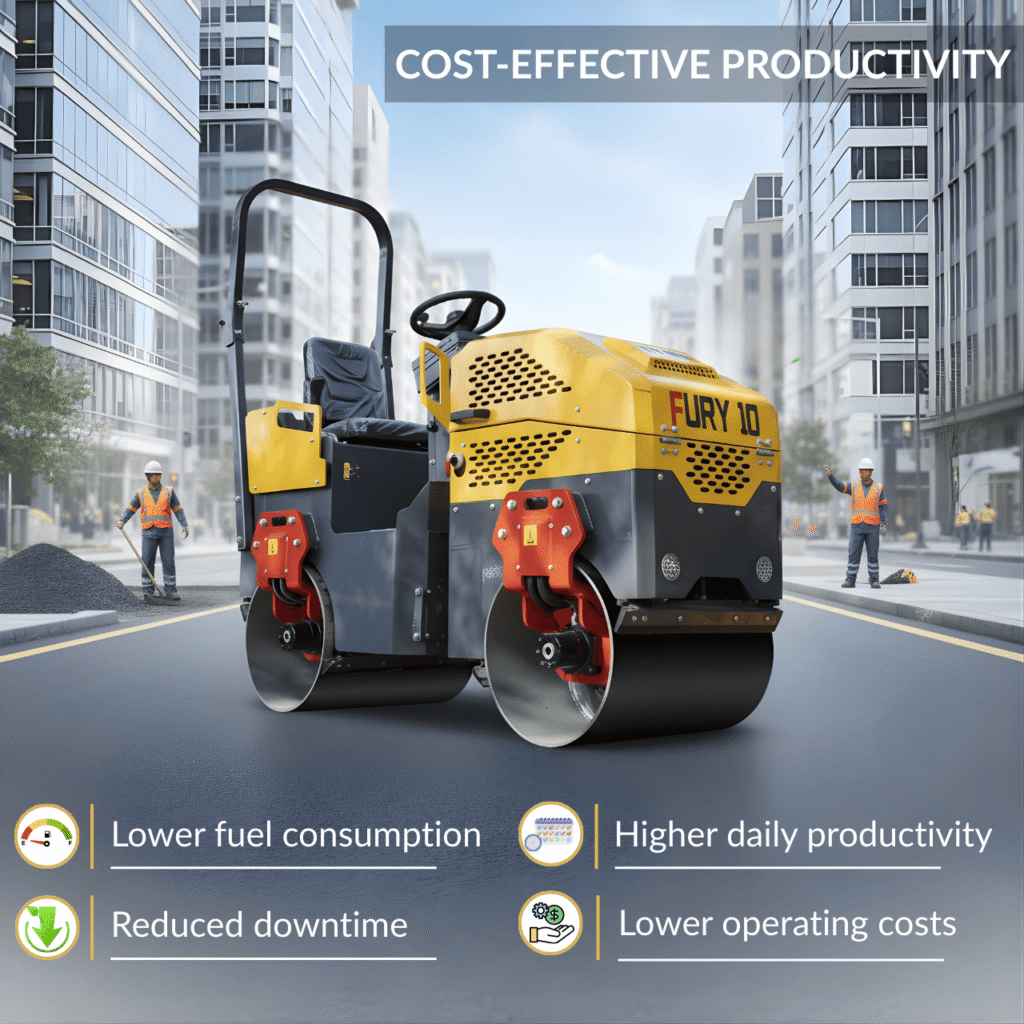
Jobsite profitability relies heavily on operational efficiency. You need machines that work quickly, reliably, and cost-effectively. Advanced road rollers are engineered to maximize your daily output while minimizing your operating expenses.
Maximizing Daily Productivity
Time is your most valuable commodity. A road roller that requires ten passes to achieve density costs you significantly more than a machine that achieves the same density in five passes.
Modern high-amplitude vibratory rollers deliver massive compaction energy directly into the ground. This allows your operators to compact thicker lifts of material in fewer passes. When you reduce the number of required passes, you clear the work zone faster. The paving train can move forward without waiting for the roller to catch up, resulting in more tons of asphalt laid or cubic yards of soil compacted every single shift.
Optimizing Fuel Efficiency on the Jobsite
Heavy machinery consumes massive volumes of diesel fuel. As fuel prices fluctuate, finding ways to reduce consumption directly improves your bottom line.
Today’s tier-compliant diesel engines inside road rollers are highly optimized for fuel efficiency. Features like eco-mode automatically lower the engine RPM when the machine is idling or performing light tasks, without compromising the hydraulic power sent to the vibratory systems. Furthermore, because these machines achieve density in fewer passes, the engine runs for fewer total hours per project.
Fewer engine hours mean less fuel burned and less wear on internal components, driving your total operating costs down significantly over the lifespan of the machine.
Choosing the Right Road Roller for Your Project
Selecting the correct equipment is the first critical step toward success. Using the wrong type of roller for your specific material guarantees poor compaction quality and frustrating delays.
Single-drum vibratory rollers
Single drum rollers (often called soil compactors) are the undisputed champions of earthmoving projects. They feature a massive steel drum on the front and heavy-duty pneumatic tires on the rear for unmatched traction.
These machines are built explicitly for compacting foundational materials like dirt, gravel, crushed rock, and sub-base aggregates. If you are preparing the ground for a new commercial building, a highway expansion, or a large trench backfill, a single drum roller provides the deep, penetrating vibratory force required to stabilize the earth. You can also equip them with padfoot (sheepsfoot) drum shells to knead and compact cohesive, sticky clay soils effectively.
Tandem Vibratory Rollers
Tandem rollers feature smooth steel drums on both the front and the rear of the machine. They rely on their static weight and high-frequency vibrations to compact materials smoothly and evenly.
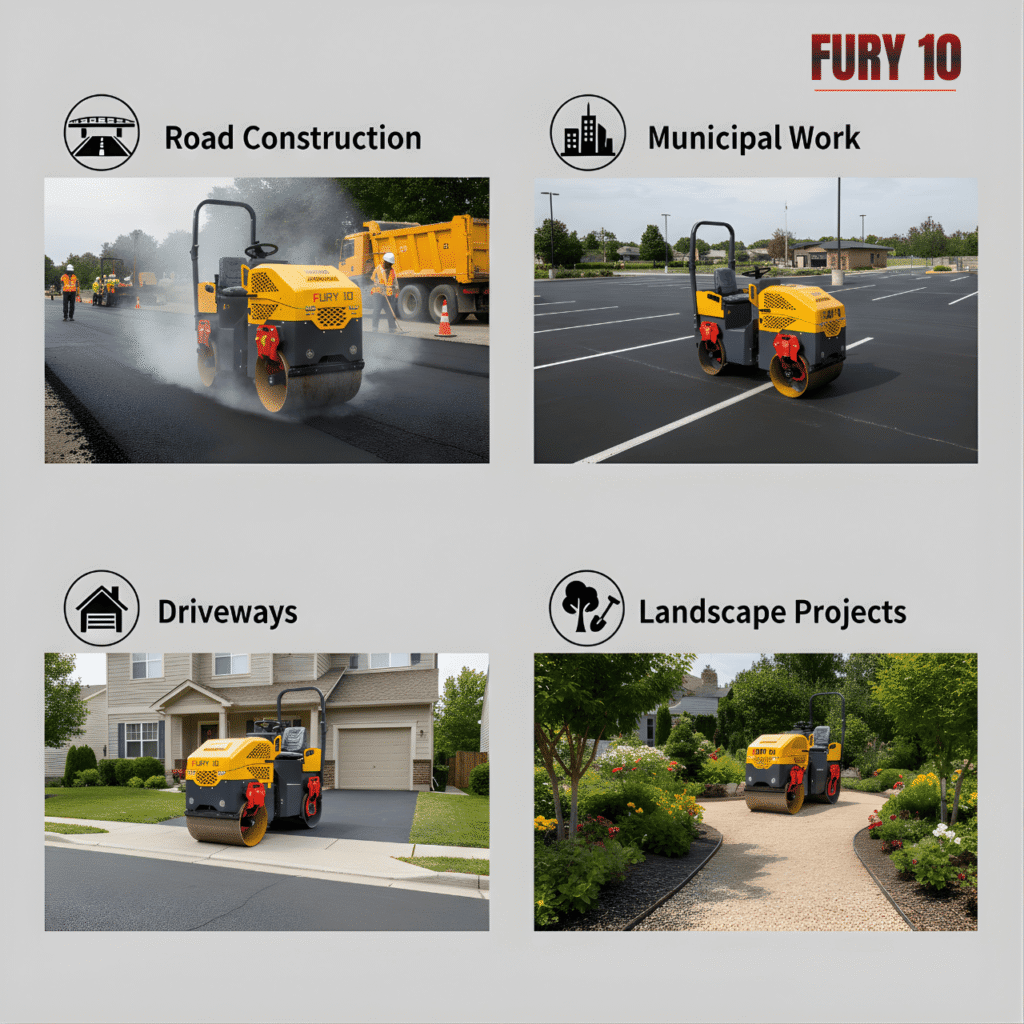
These machines are designed exclusively for asphalt paving operations. They provide the flawless, uniform finish required for highways, airport runways, and commercial parking lots. Because they have dual drums, they cover more surface area efficiently and help seal the hot asphalt mat before it cools down.
Pneumatic Tire Rollers
Pneumatic tire rollers look entirely different from traditional steel drum machines. They utilize two rows of smooth, staggered rubber tires to compact the material.
These highly specialized rollers are used for finishing asphalt or compacting specific types of soil. The staggered tires create a unique kneading action that seals the surface of the asphalt, closing tiny hairline cracks and drawing the liquid asphalt binder to the top. This kneading process creates a dense, waterproof surface that vastly improves the road’s durability against harsh weather.
Here is what you should do next: Always match your roller type exactly to your material. Consult with your equipment dealer to review your project specifications before finalizing a purchase or rental.
Operating Techniques That Drive Superior Results
Even the best road roller in the world will produce poor results if operated incorrectly. Training your operators on proper compaction techniques is essential for maximizing machine value.
Managing Speed and Pass Counts
Speed kills compaction quality. If an operator drives a vibratory roller too fast, the drum impacts the ground too far apart. This creates a washboard effect on the asphalt or leaves deep pockets of uncompacted soil.
Operators must maintain a slow, consistent speed—typically between 2 and 4 miles per hour depending on the material and the roller’s vibration frequency. A slow, steady pace ensures the vibration impacts overlap tightly, creating uniform density. Furthermore, operators must follow a strict, predetermined rolling pattern. They should always roll from the lowest edge of the pavement toward the highest edge, overlapping each pass by at least six inches to ensure no area is left uncompacted.
Proper Moisture Control
Moisture acts as a critical lubricant during the compaction process, particularly for soil and gravel. If the dirt is completely dry, the particles will not slide together tightly, no matter how much vibratory force you apply. Conversely, if the dirt is saturated with water, the roller will simply sink and pump mud to the surface.
Project managers must carefully test and manage the moisture content of the soil before the road roller begins its work. By adding water via a water truck or allowing the soil to dry out to its optimal moisture content, the roller can achieve maximum density rapidly. Proper moisture management reduces the number of necessary passes, saving fuel and drastically accelerating the project timeline.
Conclusion
Road rollers serve as the definitive foundation of any successful construction or paving project. By leveraging their immense static weight and advanced vibratory technology, these machines secure the structural integrity of your jobsite. High-quality compaction eliminates the devastating financial risks of project rework, prevents premature pavement failure, and ensures you deliver a superior product to your clients.
When you carefully match the specific type of road roller to your exact materials and train your crew on proper operational techniques, you instantly maximize productivity and reduce construction costs. We encourage you to evaluate your current heavy equipment fleet and jobsite practices today. Invest confidently in modern compaction equipment, prioritize proper training, and watch your operational efficiency and profitability soar.