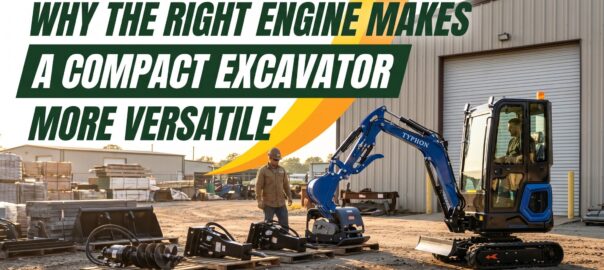
The new mini excavator showed up on a Friday, and the owner had it working a drainage job by Monday. Everything went smoothly until a hydraulic fitting started weeping mid-afternoon, and there wasn’t a single spare on the trailer. No fittings, no extra teeth for the bucket that had already lost one, no grease gun, not even a set of gloves that fit. The machine sat idle while someone drove forty minutes to the nearest supply counter, and a half-day of billable work evaporated over parts that cost less than a tank of fuel. The excavator was capable. The owner just wasn’t ready.
That gap between owning a machine and being ready to run it is where a lot of small operators lose time and money. A compact excavator is a serious investment, but the machine alone doesn’t keep a job moving. The right accessories, the small stuff that rides in the toolbox and the gear that keeps the operator safe and the machine serviced, are what turn a capable excavator into a dependable one. Miss them, and you’re stalled by a five-dollar problem on a five-hundred-dollar day.
This guide walks through the accessories every mini excavator owner should have on hand, organized so you can build your kit deliberately. We’ll cover the safety and operator gear that protects the person in the cab, the maintenance and service items that keep the machine healthy between jobs, the transport and site accessories that get the excavator where it needs to be, and the spare parts and consumables that keep a small failure from becoming a lost day. Get these in place, and your machine stays productive instead of parked.
Safety and Operator Gear That Protects the Person in the Cab
Before you worry about productivity, protect the operator. A mini excavator works around moving parts, heavy loads, and unpredictable ground, so the right safety accessories are not optional add-ons. Getting this gear in place first keeps every job on the safe side of a bad day.
Personal Protective Equipment
Start with what the operator wears. A hard hat, safety glasses, high-visibility vest, steel-toe boots, and durable work gloves cover the basics on nearly every site, and many job sites require them before you can even start. Skimping here risks both injury and being sent home before the first bucket of dirt moves.
Match the gear to the conditions, too. Hearing protection matters on long shifts near a running engine, and a good pair of gloves saves your hands when you’re changing teeth or wrestling a fitting. Keep a spare set of the essentials in the toolbox, since gear gets lost, torn, or left in another truck exactly when you need it.
Visibility and Communication Tools
A mini excavator has blind spots, and tight sites make them worse. A well-adjusted mirror set, a working backup alarm, and a bright rotating beacon help everyone around the machine track what it’s doing. On busy or public-facing jobs, these tools protect ground crews and bystanders as much as the operator.
Two-way radios or a solid phone setup keep the operator connected to spotters and the rest of the crew, which matters when hand signals aren’t enough. Clear communication prevents the kind of misunderstanding that turns a routine swing into a near miss. Simple visibility and communication gear pays for itself the first time it stops an accident.
Fire Extinguisher and First-Aid Kit
Two accessories every machine should carry are a fire extinguisher and a first-aid kit. A compact, rated extinguisher mounted within reach of the cab handles a small hydraulic or electrical fire before it spreads, and it’s a requirement on many sites. Check its charge on a regular schedule so it works when it counts.
A stocked first-aid kit handles the cuts, scrapes, and minor burns that come with equipment work. Keep it accessible, restock it after use, and make sure the operator knows where it lives.
Takeaway: proper PPE, strong visibility and communication tools, and a fire extinguisher paired with a first-aid kit protect the operator and the crew, so build your accessory kit around safety before anything else.
Maintenance and Service Accessories That Keep the Machine Healthy
A mini excavator rewards steady upkeep, and that upkeep depends on having the right tools close at hand. Waiting until something breaks to gather service gear guarantees downtime. Stock these maintenance accessories, and routine care becomes a quick habit rather than a scramble.
Grease Gun and Lubrication Supplies
A mini excavator carries numerous pivot points across the boom, arm, bucket, and swing, and every one needs regular grease. A quality grease gun and the lubricant your manufacturer specifies are among the most-used accessories an owner will own. Dry pins and bushings wear fast under load, so daily greasing is the cheapest wear protection available.
Keep the right grease cartridges stocked so you never skip a fitting for lack of supply. A few rags to wipe old grease and grit off each fitting before you pump in fresh lube keeps contaminants out of the joints. Understanding your machine’s greasing schedule and hitting every point on time prevents a large share of the wear that quietly degrades an excavator.
Fluids, Filters, and Basic Service Tools
Routine service goes smoother when the parts are already on the shelf. Keep the correct engine oil, hydraulic fluid, and coolant on hand, along with the air, fuel, and hydraulic filters your machine uses. Buying these before a service interval arrives means you never delay maintenance waiting on a parts run.

A basic tool set rounds out the kit: wrenches, sockets, screwdrivers, pliers, and a torque wrench for fasteners that need it. Add a funnel, a drain pan, and a fluid pump to make oil and filter changes clean and quick. With these tools ready, you can handle routine service yourself and keep the machine on its recommended maintenance rhythm.
Cleaning and Inspection Aids
Dirt hides problems, so cleaning gear earns its place. A pressure washer or a stiff brush clears mud and debris from the undercarriage, cooling package, and tracks, which keeps the machine running cool and makes your daily inspection honest. A radiator clogged with debris overheats fast, and a quick clean prevents it.
Keep a few inspection aids nearby, too. A flashlight, a tire or track tension gauge where applicable, and a simple maintenance log help you catch developing issues early. Checking your machine’s cooling and undercarriage regularly, with the right tools on hand, stops small buildup from becoming an expensive failure.
Takeaway: a grease gun with proper lubricant, stocked fluids, filters, and hand tools, plus cleaning and inspection aids keep a mini excavator healthy between jobs, so treat service accessories as core equipment rather than afterthoughts.
Transport and Site Accessories That Get the Machine Working
A mini excavator earns nothing sitting in the yard, so the gear that moves it and sets it up on site matters as much as the machine itself. Neglect these accessories and you risk unsafe hauling or a machine that can’t reach the work. Have them ready, and the excavator gets to the job and starts earning fast.
Trailer, Ramps, and Tie-Down Equipment
Safe transport starts with the right hauling gear. A trailer rated for your machine’s operating weight, sturdy loading ramps, and a set of quality chains or ratchet straps rated for the load are non-negotiable. Undersizing any of these risks a shifting machine or a failed tie-down at highway speed, which endangers everyone on the road.
Confirm your setup before you load. Match the trailer and tie-downs to your machine’s weight, use the designated tie-down points, and secure both ends so nothing shifts in transit. A wheel chock, a trailer jack, and a set of safety triangles or flares for roadside trouble complete a transport kit that keeps hauling both legal and safe.
Ground Protection and Site Setup
A mini excavator’s light footprint is a selling point, but soft ground and finished surfaces still need protection. Track mats or ground protection boards spread the machine’s weight and let it cross lawns, pavers, and muddy ground without tearing them up or getting stuck. For surface-sensitive residential work, this gear protects the client’s property and your reputation.
Add the small items that make a site run smoothly. Marking paint and flags help you lay out digs and avoid buried lines, a laser level or grade tools keep your excavation accurate, and cones or barricades keep people clear of the work zone. These accessories turn a rough setup into a controlled, professional job.
Attachment Support Gear
Since much of a mini excavator’s value comes from swapping tools, keep the gear that supports attachments handy. A sturdy storage rack or stand keeps buckets, augers, and other tools off the ground and organized, so swaps are quick and the tools last longer. Loose attachments scattered around a yard get damaged and lost.
When you run hydraulic tools, keep the fittings, couplers, and adapters that connect them ready to go. Confirming quick coupler compatibility and matching auxiliary hydraulic flow before a job means an attachment mounts and runs the first time, not after a delay.
Takeaway: a properly rated trailer and tie-down kit, ground protection and layout gear, and attachment support equipment get your mini excavator to the job and working safely, so don’t overlook the accessories that bridge the yard and the site.
Spare Parts and Consumables That Prevent Lost Days
The difference between a minor hiccup and a lost day often comes down to whether the right spare is on the trailer. Small parts fail, wear out, or go missing at the worst times, and a supply counter is rarely close. Stock these consumables, and you fix problems on site instead of driving for parts.
Bucket Teeth, Pins, and Wear Parts
The bucket takes the hardest abuse, so its wear parts top the spare list. Keep spare bucket teeth and the pins or retainers that hold them, since a tooth breaks or falls off exactly when the digging gets tough. Swapping in a fresh tooth on site takes minutes, while running without one wastes fuel and slows every pass.
Extend the same thinking to other wear points. Cutting edges, spare pins and bushings for the linkage, and any quick-wear components your machine goes through are worth having on hand. Understanding which parts wear fastest on your excavator lets you stock the right spares before they fail rather than after.
Hydraulic Fittings, Hoses, and Seals
Hydraulic leaks are among the most common on-site problems, and the parts to fix them are small and cheap. Keep an assortment of hydraulic fittings, common hose lengths or a spare hose for your machine, and O-rings and seals in the sizes your excavator uses. A weeping fitting caught early is a quick swap; ignored, it becomes a blown line and a stopped machine.
Add the tools to use those parts, like a hose crimping option or wrenches sized for your fittings, and rags to manage spilled fluid. Knowing your machine’s hydraulic flow rate and fitting sizes helps you stock exactly the right components. A small hydraulic repair kit turns a common failure into a short delay instead of a ruined day.
Fuses, Fluids, and General Consumables
Round out the kit with the everyday consumables a machine burns through. Spare fuses and bulbs handle small electrical faults, extra engine oil and hydraulic fluid cover top-offs, and coolant keeps the machine from overheating far from a store. These low-cost items prevent surprising stoppages.
Keep general supplies stocked too: shop rags, zip ties, electrical tape, spare grease cartridges, and a can of penetrating oil for stuck fasteners. None of it is expensive, but all of it saves a trip when something small goes wrong.
Takeaway: spare bucket teeth and wear parts, a hydraulic fitting and seal kit, and everyday fuses, fluids, and consumables keep a small failure from becoming lost time, so stock the trailer before you need what’s on it.
Frequently Asked Questions
What are the most important accessories for a new mini excavator owner?
Start with safety and service basics. Proper PPE, a fire extinguisher, and a first-aid kit protect the operator, while a grease gun, the right lubricant, spare filters, and fluids keep the machine on its maintenance schedule. Add a rated trailer with tie-downs for transport, plus a small stock of spare bucket teeth and hydraulic fittings. These cover the day-to-day needs that keep a machine safe, serviced, and working from the first job.
Do I really need spare parts on the trailer if my machine is new?
Yes. Even a new mini excavator loses bucket teeth, develops weeping hydraulic fittings, and burns through consumables like fluids and fuses. Because supply counters are rarely close to a job site, a small kit of spare teeth, pins, fittings, seals, and fluids lets you fix minor problems on the spot instead of losing billable hours to a parts run. The parts are cheap, and the downtime they prevent is not.
What safety gear is required to operate a mini excavator?
At minimum, most sites expect a hard hat, safety glasses, high-visibility vest, steel-toe boots, and work gloves, with hearing protection on noisy jobs. The machine should carry a working backup alarm, good mirrors, and often a rotating beacon for visibility, plus a rated fire extinguisher and a first-aid kit. Requirements vary by job site and local rules, so confirm what your specific work demands before you start.
How do I make sure an attachment will work with my mini excavator?
Check three things before you buy or rent. Confirm quick coupler compatibility so the attachment mounts to your machine, match the tool’s needs against your auxiliary hydraulic flow and pressure for powered attachments, and verify the attachment suits your machine’s weight class. Keeping the right fittings, couplers, and adapters on hand means a compatible tool connects and runs the first time rather than after a delay.
What maintenance tools should every owner keep on hand?
Keep a quality grease gun with the specified lubricant, the correct engine oil, hydraulic fluid, and coolant, and the air, fuel, and hydraulic filters your machine uses. Add a basic tool set of wrenches, sockets, and screwdrivers, plus a funnel, drain pan, and fluid pump for clean service. Cleaning gear like a pressure washer or brush and a simple maintenance log round out a kit that lets you handle routine care without delay.
Conclusion
Being a mini excavator owner means more than owning the machine, since the accessories you keep on hand are what turn a capable excavator into a dependable one that stays productive shift after shift, and the smart approach is to build your kit deliberately across four areas before the next job rather than scrambling when something goes wrong: protect the operator first with proper PPE, strong visibility and communication tools, and a fire extinguisher paired with a first-aid kit, then keep the machine healthy with a grease gun and lubricant, stocked fluids, filters, and hand tools, plus the cleaning and inspection aids that make daily care quick, next make sure you can get the excavator to the work with a properly rated trailer and tie-down kit, ground protection for finished surfaces, and the layout and attachment support gear that sets up a clean site, and finally stock the trailer with spare bucket teeth and wear parts, a hydraulic fitting and seal kit, and everyday fuses, fluids, and consumables so a five-dollar problem never costs you a five-hundred-dollar day, because understanding what your specific machine and jobs demand and having those items ready is exactly what keeps the excavator earning instead of parked, and when you’re ready to source dependable accessories, spare parts, and support tailored to your machine, reach out to a trusted equipment specialist who can match reliable gear to the results your projects depend on.